
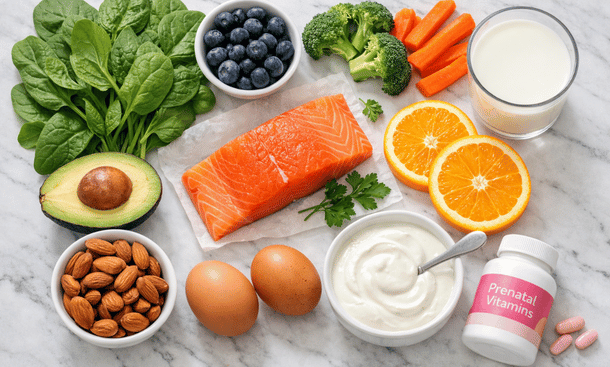
Growing a tiny human is honestly one of the most incredible things your body will ever do. But let me tell you something I wish someone had told me straight up when I first got pregnant: your regular diet and that dusty bottle of multivitamins in your medicine cabinet aren’t gonna cut it.
Your nutritional needs skyrocket during pregnancy and your baby is counting on you to provide every single building block they need to develop properly. We’re talking about everything from their brain tissue to their bone structure to their immune system.
The thing is, most women I talk to feel completely overwhelmed by all the conflicting information out there. One website says take this, another says avoid that, and your mother-in-law has her own opinions based on what worked in 1987. So let’s break this down in a way that actually makes sense.
Why Pregnancy Vitamins and Minerals Matter More Than You Think
Your body is literally creating organs, bones, blood vessels and an entire nervous system from scratch. That requires massive amounts of specific nutrients that you simply can’t get from eating “a little extra” at meals.
Think about it this way. Your blood volume increases by almost 50 percent during pregnancy. Your baby is forming a complete skeleton. Their brain is developing billions of neural connections. All of this demands specific vitamins and minerals in amounts that are difficult to obtain through food alone.
This is exactly why doctors recommend prenatal vitamins before you even conceive. Getting the right nutrients at the right time can literally prevent birth defects and pregnancy complications.
Folic Acid: The Absolute Non-Negotiable
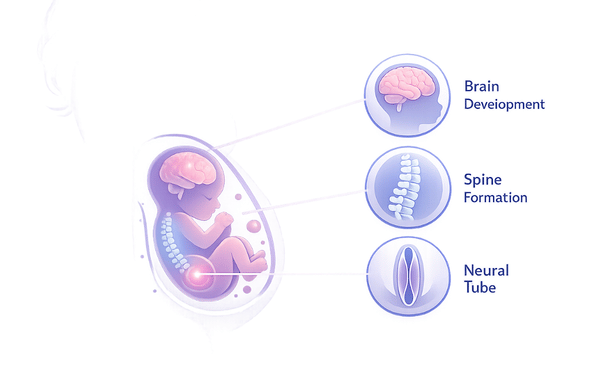
If there’s one nutrient you need to obsess over, it’s folic acid. This B vitamin is critical for preventing neural tube defects like spina bifida, which develop in the first 28 days of pregnancy. That’s often before most women even know they’re expecting.
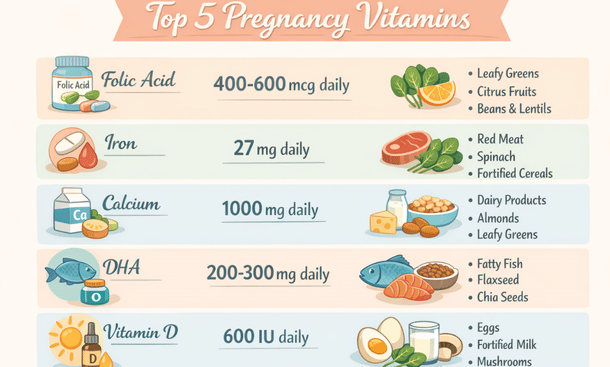
The recommended dose is 400 to 800 micrograms daily, starting at least one month before conception and continuing through the first trimester. Some doctors recommend even higher doses if you have certain risk factors.
Natural food sources include fortified cereals, leafy greens like spinach and kale, citrus fruits, beans and lentils. But here’s the reality: it’s really hard to get enough folic acid from food alone, which is why supplementation is so important.
I started taking my prenatal vitamin three months before we even started trying for a baby. My doctor explained that building up folic acid stores early gives you the best protection right from conception.
Iron: Fighting Fatigue and Supporting Blood Production
Iron deficiency is super common in pregnancy and it’s one of the main reasons pregnant women feel exhausted beyond the normal tired that comes with growing a human.
Your body needs iron to make hemoglobin, the protein in red blood cells that carries oxygen to your tissues and your baby. During pregnancy, your blood volume increases dramatically, so you need about 27 milligrams of iron daily compared to the 18 milligrams non-pregnant women need.
Low iron can lead to anemia, which increases your risk of preterm delivery and low birth weight. It can also make you feel weak, dizzy and constantly exhausted.
Red meat is one of the best sources of heme iron, which your body absorbs more easily than the non-heme iron found in plant sources. Other good options include chicken, fish, fortified cereals, beans, and dark leafy greens.
Pro tip from my own experience: take your iron supplement with orange juice or another vitamin C source. The vitamin C helps your body absorb the iron better. Just avoid taking it with calcium or milk because calcium can interfere with iron absorption.
Calcium: Building Strong Bones and Teeth
Your baby needs calcium to build their skeleton and teeth. If you don’t get enough calcium through your diet and supplements, your body will actually pull it from your own bones to give to your baby.
Pregnant women need about 1000 milligrams of calcium daily. That’s roughly three to four servings of calcium-rich foods.
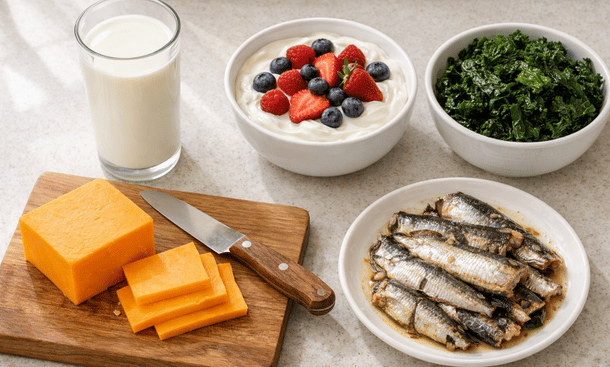
Dairy products like milk, yogurt and cheese are obvious sources. But if you’re lactose intolerant or vegan, you can get calcium from fortified plant milks, tofu made with calcium sulfate, canned sardines with bones, and dark leafy greens.
Most prenatal vitamins don’t contain the full 1000 milligrams of calcium because that would make the pill huge and hard to swallow. So you’ll likely need to get most of your calcium from food or add a separate calcium supplement.
DHA: Essential for Brain and Eye Development
Docosahexaenoic acid, or DHA, is an omega-3 fatty acid that’s crucial for your baby’s brain and eye development. It’s especially important during the third trimester when your baby’s brain is growing rapidly.
The recommended amount is at least 200 to 300 milligrams daily. Fatty fish like salmon, sardines and anchovies are excellent sources. If you don’t eat fish, look for a prenatal vitamin with DHA or take a separate algae-based DHA supplement.
I wasn’t a big fish eater before pregnancy, so I made sure my prenatal had DHA included. On weeks when I managed to eat salmon twice, I felt like I deserved a medal.
Vitamin D: The Sunshine Vitamin
Vitamin D works with calcium to build your baby’s bones and teeth. It also supports your immune system and may help prevent pregnancy complications like preeclampsia and gestational diabetes.
Most experts recommend 600 IU daily during pregnancy, though some suggest higher doses if you’re deficient. Your body can make vitamin D from sunlight, but many women don’t get enough sun exposure, especially in winter or if they use sunscreen regularly.
Food sources include fatty fish, fortified milk and orange juice, and egg yolks. Many prenatal vitamins contain vitamin D, but ask your doctor if you need additional supplementation based on your blood levels.
Other Important Nutrients to Watch
Vitamin B12 is essential for nervous system development and red blood cell formation. It’s found naturally in animal products, so vegetarian and vegan women need to pay special attention to getting enough through fortified foods or supplements.
Iodine supports thyroid function and brain development. Pregnant women need 220 micrograms daily from iodized salt, dairy products, seafood and iodine-containing prenatal vitamins.
Choline is often overlooked but it’s super important for brain development and may help prevent neural tube defects. Aim for 450 milligrams daily from eggs, beef, chicken, fish, and cruciferous vegetables.
Zinc supports cell growth and immune function. You need 11 milligrams daily from meat, shellfish, legumes, nuts and whole grains.
Choosing the Right Prenatal Vitamin
Not all prenatal vitamins are created equal. Look for one that contains at least 400 micrograms of folic acid, 27 milligrams of iron, and 200 milligrams of DHA.
Some women find that prenatal vitamins make them nauseous, especially in the first trimester. Try taking yours with food or before bed. If one brand doesn’t work for you, don’t give up. There are tons of options including gummies, liquids and smaller pills.
Talk to your doctor about your specific needs. If you have certain health conditions or dietary restrictions, you might need higher doses of certain nutrients or specialized formulations.
When Food Isn’t Enough
I’m a big believer in getting nutrients from whole foods whenever possible. There’s something about real food that supplements just can’t replicate. But pregnancy is the one time when supplements aren’t optional for most women.
The reality is that modern diets, food quality, and individual absorption issues mean that even women who eat really well often fall short on key nutrients during pregnancy. This isn’t about being a “bad” eater. It’s just the biological reality of what your body needs right now.
A good approach to nutrition during pregnancy combines a varied, nutrient-dense diet with appropriate supplementation. Think of your prenatal vitamin as insurance, not a replacement for healthy eating.
Timing Matters
Start your prenatal vitamin before you conceive if possible. Neural tube defects develop in the first month of pregnancy, often before you know you’re expecting.
Some nutrients are more important at different stages. Folic acid is critical in the first trimester. Iron needs increase in the second and third trimesters as your blood volume expands. DHA is especially important in the third trimester for brain development.
Don’t stress if you forget a dose here and there. Just get back on track the next day. Consistency matters more than perfection.
The Bottom Line
Growing a baby requires an incredible amount of specific vitamins and minerals that most women can’t get from food alone. Folic acid prevents birth defects. Iron fights anemia and supports increased blood volume. Calcium builds bones and teeth. DHA supports brain development. Vitamin D works with calcium and supports immunity.
A quality prenatal vitamin combined with a balanced diet gives you and your baby the best foundation for a healthy pregnancy. Work with your healthcare provider to find the right supplementation plan for your individual needs.
And remember, taking care of your nutritional needs isn’t just about your baby. It’s about keeping your own body strong and healthy through one of the most physically demanding experiences of your life.
For a complete overview of all aspects of pregnancy nutrition, from essential nutrients to meal planning strategies, visit our comprehensive pregnancy nutrition guide. If you’re wondering which foods pack the biggest nutritional punch during each trimester, check out our guide on what to eat during pregnancy..

Carlene R. Priddy offers strategic advice and practical guidance for governorsbefore, during, and after their mandatesto strengthen governance and public leadership.