
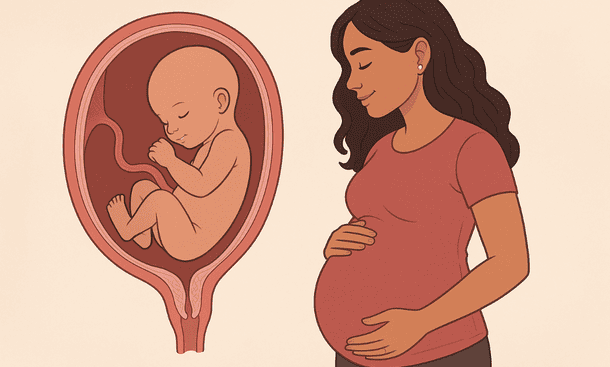
The second trimester, spanning weeks thirteen to twenty-seven, is often the most comfortable period of pregnancy. Early symptoms like nausea and fatigue typically ease, allowing mothers to enjoy the excitement of visible changes and baby movements. Understanding what happens during these weeks helps parents anticipate developments and stay healthy. Tracking progress week by week provides reassurance and clarity.
Physical changes in the mother
During the second trimester, many women notice their abdomen expanding and clothes fitting differently. Weight gain is gradual and supports the baby’s growth. Skin changes such as stretch marks or pigmentation shifts may appear, which are normal adaptations. Posture and back care become important as the body adjusts to the growing belly.
Energy often improves during this stage, making it easier to engage in light exercise. Gentle walking, swimming, or prenatal yoga helps maintain circulation, muscle tone, and overall well-being. Proper hydration, balanced nutrition, and adequate sleep remain essential for both mother and baby.
Baby development milestones
The baby undergoes significant development in the second trimester. Organs mature, bones strengthen, and the nervous system becomes more complex. By around week sixteen, the baby may begin to make its first movements, often described as flutters. By twenty weeks, these movements are more noticeable and can be felt regularly.
Ultrasounds in this period provide detailed views of the baby’s anatomy, and parents may learn the baby’s sex if they wish. Monitoring growth through medical checkups ensures milestones are met, and any concerns are addressed promptly.
Common symptoms and how to manage them
Even in the second trimester, some symptoms may persist. Mild back pain, round ligament discomfort, and occasional headaches are common. Swelling in the ankles or hands can occur, usually managed through rest, proper footwear, and elevating the legs.
Maintaining a healthy diet rich in protein, iron, and calcium supports both maternal health and fetal growth. Avoiding excessive caffeine, processed foods, and alcohol remains important. Daily routines that include light exercise, hydration, and relaxation techniques reduce discomfort and improve energy.
Medical checkups and screening
Regular prenatal visits continue in the second trimester. Blood tests, ultrasounds, and sometimes glucose screening help ensure the mother and baby remain healthy. Discussing any unusual symptoms with healthcare providers allows for early detection of potential issues. Preparing questions in advance makes appointments more effective and ensures all concerns are addressed.
Prenatal education classes may begin during this stage, providing guidance on nutrition, exercise, and preparation for birth. Understanding the purpose and timing of each checkup reduces stress and enhances confidence in managing pregnancy.
Emotional Well-Being during the second trimester
Emotional changes are often less intense than in the first trimester, but mood fluctuations can still occur. Enjoying the physical signs of pregnancy, connecting with supportive friends or family, and practicing mindfulness techniques promote emotional balance. Journaling or tracking weekly milestones can strengthen the bond between parents and baby while documenting experiences.
Anticipating the changes ahead and celebrating progress helps maintain a positive mindset. Understanding the baby’s development week by week allows parents to feel more connected and engaged with the pregnancy journey.
The second trimester offers a balance of comfort, energy, and excitement as the baby grows and the mother’s body adapts. Tracking development, maintaining health, and understanding physical and emotional changes ensure a smoother experience. To continue preparing for the final stage of pregnancy, the third trimester preparations guide provides detailed insights for weeks twenty-eight to forty.

As an author at Felyro.com, I create actionable content on pregnancy tracking, offering practical tools, tips, and insights that empower mothers-to-be to stay informed and confident throughout their pregnancy.