
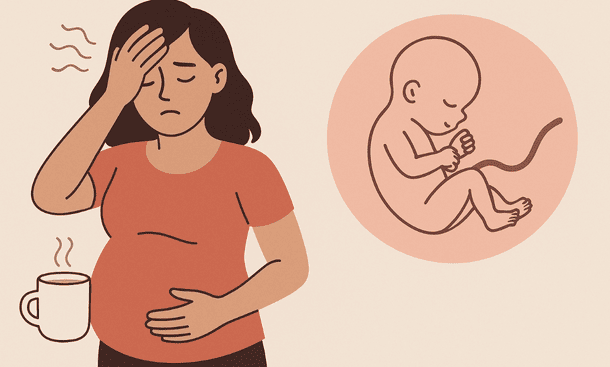
The first trimester is a time of dramatic change. From conception to week twelve, the body and the developing baby undergo rapid transformations that set the stage for the rest of pregnancy. Many expectant mothers experience fatigue, morning sickness, and heightened senses as hormones shift to support early development. Paying attention to these changes and understanding what is typical helps reduce stress and ensures timely medical care.
Early Symptoms and what they mean
During the first trimester, common symptoms include nausea, breast tenderness, frequent urination, and mood swings. While these changes can feel challenging, they are natural responses to increased hormone levels. Tracking symptoms daily can help in identifying patterns and communicating effectively with healthcare providers. Being aware of warning signs such as severe cramping or heavy bleeding ensures prompt intervention when necessary.
Understanding these early signals gives mothers confidence in managing their health. Simple strategies like eating small, frequent meals, staying hydrated, and resting when needed can alleviate discomfort. Each symptom reflects the body’s adaptation to the developing baby and the demands of early pregnancy.
Fetal development week by week
The baby grows rapidly during the first trimester. By week four, implantation occurs, and the embryo begins forming basic structures. By week eight, the heart, brain, and spinal cord start to develop, while tiny limb buds appear. Around week twelve, major organs are in place, and facial features begin to take shape.
Keeping track of these milestones helps parents understand the importance of prenatal care. Regular checkups, blood tests, and early ultrasounds provide reassurance and monitor development. Engaging with a week-by-week pregnancy guide allows parents to anticipate changes and celebrate milestones as they occur.
Health and nutrition considerations
Nutrition plays a critical role during the first trimester. Consuming a balanced diet rich in folic acid, iron, calcium, and protein supports fetal development and maternal well-being. Avoiding alcohol, certain medications, and unpasteurized foods reduces risks to the embryo. Prenatal vitamins supplement daily nutrition and address potential deficiencies.
Exercise should be light and safe, focusing on maintaining strength and circulation. Activities such as walking, gentle stretching, or prenatal yoga can reduce fatigue and improve mood. Adequate sleep and stress management are equally important, as mental and emotional health impact both mother and baby.
Preparing for medical appointments
First trimester visits often include confirmation of pregnancy, initial blood work, and early ultrasound scans. These appointments establish a baseline for health monitoring and detect any concerns early. Discussing family history, previous pregnancies, and lifestyle factors ensures personalized care. Keeping a record of symptoms and questions helps maximize the benefit of each visit.
Understanding what to expect at each appointment reduces anxiety and fosters a sense of control. Preparing questions in advance and noting observations can guide conversations with healthcare providers. These steps contribute to safer, more informed pregnancy management.
Managing emotional and physical changes
Emotional changes are common during early pregnancy. Hormonal fluctuations can affect mood, energy, and motivation. Building a support network, sharing experiences with loved ones, and seeking guidance from professionals when needed supports mental health. Practicing mindfulness or journaling may also help process feelings and track progress.
Physical adjustments, from morning sickness to fatigue, require patience and self-care. Listening to the body, pacing activities, and avoiding excessive stress enhances comfort. Recognizing that these changes are temporary yet important parts of early development allows mothers to navigate the first trimester with confidence.
The first trimester sets the foundation for a healthy pregnancy. Understanding early symptoms, tracking fetal growth, and maintaining well-being ensures a smoother journey through these initial weeks. For insights into the next stage of pregnancy and how the baby and mother change, the second trimester development guide offers detailed guidance for weeks thirteen to twenty-seven.

As an author at Felyro.com, I create actionable content on pregnancy tracking, offering practical tools, tips, and insights that empower mothers-to-be to stay informed and confident throughout their pregnancy.