

A breast pump can look simple on the shelf and still feel like a whole thing once you bring it home. When you are pregnant or newly postpartum, there is already so much to learn. Feeding your baby can feel tender, emotional, and sometimes a little messy. A pump is supposed to help, not make life harder.
The good news is that you do not need to know every pumping trick on day one. You just need a clear sense of what a breast pump does, when it helps, and which type fits your routine. For many moms, especially those who pump once in a while or need a backup option, a manual pump can be a low-stress tool. If you want the full picture on that option, take a look at this complete guide to choosing and using a manual breast pump.
table of contents
- what a breast pump actually does
- why moms use a breast pump
- the main types of breast pumps
- when a manual pump makes sense
- what to expect when you pump
- how to make pumping more comfortable
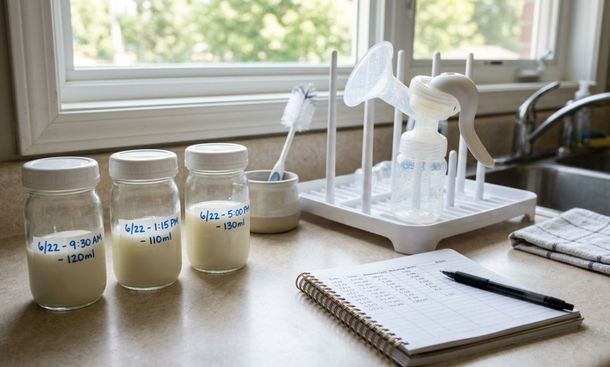
- how to clean and store pump parts
- common questions new moms have
- conclusion
what a breast pump actually does
A breast pump removes milk from the breast when your baby is not feeding directly. That is the basic job. Some moms use it often. Some barely use it. Some start with big plans and change course once the baby arrives. All of that is normal.
Pumping can help you collect milk for later, relieve fullness, support milk removal when your baby is sleepy at the breast, or create a little flexibility in your day. It is not a test of how committed you are to breastfeeding. It is just a tool.
Think of it like this. Your baby feeds from the breast. A pump helps remove milk when your baby cannot, will not, or when you need milk saved for another time. That is the whole idea.
why moms use a breast pump
There are a lot of practical reasons to pump, and most of them have nothing to do with doing things perfectly.
Some moms pump because they are going back to work. Some want another caregiver to handle one feeding. Some need relief when their breasts feel too full. Some are building a small stash for appointments, errands, or a rare dinner out. Others use pumping as part of a plan with a lactation consultant after birth.
A few common reasons include:
- replacing a missed feeding
- collecting milk for later
- easing engorgement, meaning breasts that feel overly full and tight
- supporting supply when baby is not nursing effectively
- creating a little breathing room in the daily routine
That last one matters. Motherhood is beautiful, sure, but it can also be a lot. If pumping helps you feel less boxed in, that counts.
the main types of breast pumps
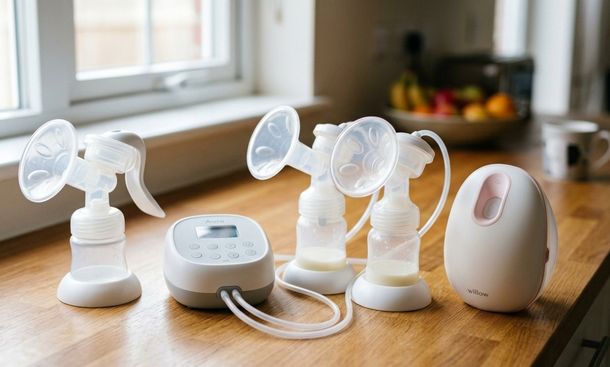
There are three big categories most moms hear about first.
manual pumps
A manual pump is operated by hand. You squeeze a handle or lever to create suction and draw out milk. It is simple, portable, quiet, and usually less expensive than an electric pump.
This type is often a smart fit for occasional pumping, travel, short outings, or keeping as a backup in your diaper bag.
electric pumps
An electric pump uses a motor to create suction. Some are single, meaning one breast at a time, and some are double, meaning both at once. Electric models are often the go-to choice for moms who pump frequently or need efficiency.
They can save time, but they are usually bulkier, louder, and more expensive than manual options.
wearable pumps
Wearable pumps fit inside the bra and pump more discreetly. Some moms love the convenience. Others find them less comfortable or less effective depending on fit and output.
The best type depends on your life, your budget, your comfort, and how often you plan to pump. No pump wins for everybody.
when a manual pump makes sense
Manual pumps do not always get the same hype as electric ones, but they can be incredibly useful. Real talk, not every mom needs a machine with five modes and a charging cable.
A manual pump can be a great choice if:
- you pump once in a while, not all day
- you want something quiet
- you need a lightweight option for travel
- you are looking for a lower-cost pump
- you want a backup in case your main pump is unavailable
- you prefer more direct control over the suction rhythm
A lot of moms like manual pumps because they feel less intense. You control the speed. You control the pressure. You can slow down, take a breath, and adjust as needed. For some women, that hands-on control makes the experience more comfortable.
That said, if you are exclusively pumping or pumping many times a day, an electric model may be more practical. It is not about which one is better in theory. It is about which one matches your actual routine.
what to expect when you pump
The first pumping session can feel awkward. That is normal too. You are learning a new skill, and your body may need a little time to respond.
At first, you might notice:
- milk comes out in drops, then sprays, then slows down
- one breast produces more than the other
- output changes by time of day
- stress or fatigue can affect letdown, meaning the milk release reflex
- you get more comfortable after a few sessions
Please do not measure your worth by ounces. Pump output is not a perfect report card on your body or your milk supply. Some moms respond well to pumps. Some do not. A baby who feeds well at the breast may remove milk more effectively than a pump ever does.
If pumping feels uncomfortable, the issue is often not that you are doing something wrong as a mom. It may be the flange size, the suction level, your timing, or the type of pump itself.
how to make pumping more comfortable
Comfort matters. You are a person, not a milk machine.
Start with the basics. Sit somewhere supportive. Relax your shoulders. Have water nearby. Look at your baby, a photo, or a video if that helps trigger letdown. Give yourself a minute.
A few practical ways to improve comfort:
check the flange fit
The flange is the funnel-shaped part that goes over the nipple. If it is too big or too small, pumping may feel pinchy, rub too much, or reduce milk flow. A better fit can make a huge difference.
start gently
High suction is not always better. A gentler setting or a softer hand rhythm can work better and feel better too.
pump after or between feeds based on your goal
If you are collecting extra milk, timing matters. If you are just relieving fullness, a short session may be enough. Your routine should match the reason you are pumping.
use warmth before pumping
A warm washcloth or quick warm shower can help your body relax and support milk flow.
stop if pain continues
Discomfort can happen early on, but pain that keeps happening deserves attention. If it feels sharp, intense, or leaves damage behind, it is worth checking fit, technique, or asking a lactation professional for help.

how to clean and store pump parts
A breast pump only helps if it is clean and ready when you need it. No mom wants to find yesterday’s milk film hiding in a valve at 2 a.m.
Most pumps have a few basic parts that need washing after use. Always check the manufacturer instructions, but in general:
- rinse parts soon after pumping
- wash with warm water and dish soap
- let everything air dry fully on a clean surface
- sanitize as recommended, especially for newborns or if advised by your pediatric provider
Milk storage matters too. Use clean containers or milk storage bags, label the date, and follow current storage guidance from trusted health sources.
Keeping your setup simple helps. A manual pump often has fewer parts, which is a big reason some moms like it. Less assembly. Less cleanup. Less drama.
common questions new moms have
do i need a breast pump before the baby arrives
Not always, but many moms like having one ready just in case. If you already know you want flexibility or a backup option, it can be useful to have it on hand.
will pumping cause oversupply
It can if you pump more milk than your body needs on a regular basis. The key is using pumping with a clear purpose, not out of panic.
is a manual pump strong enough
For many moms, yes. It can work very well for occasional pumping, missed feeds, and comfort. It may be less practical for frequent daily pumping.
how much milk should i get
That varies a lot. Time of day, baby’s age, when you last fed, stress, hydration, and individual response all play a part. There is no one magic number.
can i breastfeed and pump
Absolutely. Many moms do both. Some nurse directly most of the time and pump only when needed. That is a very common rhythm.
A breast pump does not need to be complicated to be helpful. Once you understand the basics, it gets easier to tell what you need and what is just extra noise. For some moms, especially those who want flexibility without a big setup, a hand-operated pump can be a smart and steady part of the routine. If you are comparing options next, the difference between an electric breast pump

As a Felyro.com content author, I develop actionable content on breastfeeding, translating research-backed information into practical advice for mothers. My goal is to help families establish healthy feeding habits, improve maternal confidence, and support infant development.