
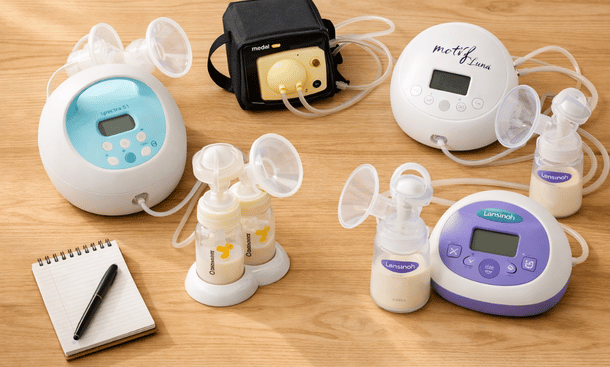
Alright, let’s talk electric pumps—the workhorses that most of us end up relyin’ on day in and day out. I’ve personally tested every major brand you’ve heard of (and a few you haven’t), and lemme tell you, they’re not all created equal. Some are whisper-quiet for office pumpin’, others have suction that’ll make you wince, and a couple are straight-up game-changers for supply building. I’m breakin’ down the real pros and cons of each one—no sponsored BS, just honest reviews from someone who’s been there. This deep dive fits right into my overall breakdown of what makes a quality breast pump in today’s market.
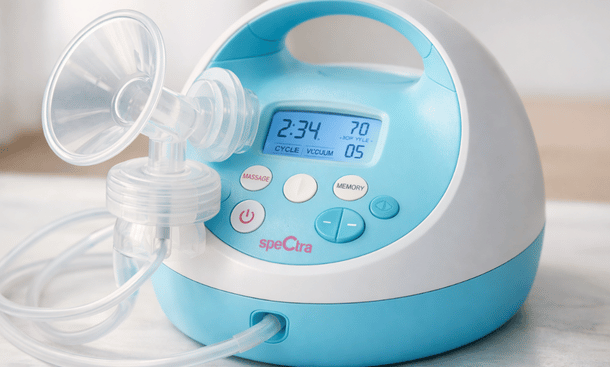
Spectra S1 and S2: The Reliability Champs
The Spectra pumps have become somethin’ of a cult favorite in the breastfeeding community, and honestly, the hype is mostly deserved.
The S1 is the portable rechargeable version with a built-in battery that lasts for about three pumpin’ sessions on a full charge. The S2 is plug-in only, which makes it slightly less convenient but also about forty bucks cheaper. Otherwise, they’re identical.
What sets Spectra apart is the closed system design. There’s a barrier that keeps moisture and milk from gettin’ into the tubing and motor, which means cleaner operation and longer lifespan. You don’t have to worry about mold growin’ in your tubes, which is a real thing with some open-system pumps.
The suction is strong without bein’ painful. Spectra uses what they call a gentle massage mode for letdown, then switches to expression mode automatically. You can adjust both the suction strength and the cycle speed independently, which gives you a ton of control over findin’ your sweet spot.
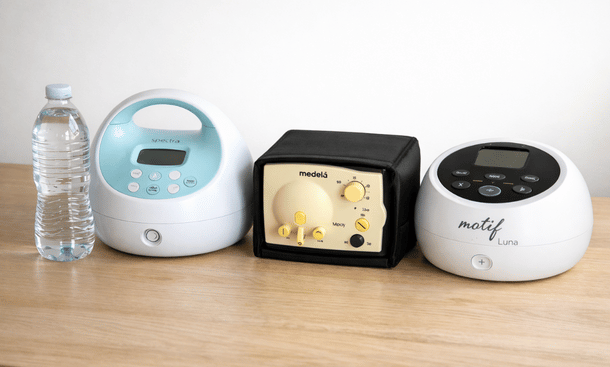
The night light is a small touch but genuinely helpful for those middle-of-the-night pump sessions when you don’t wanna wake up your partner or yourself too much. And the pump is quiet. Not silent, but definitely quieter than Medela pumps. You can have a phone conversation while pumpin’ without the person on the other end knowin’ what you’re doin’.
Downsides? The flanges that come with it are kinda stiff plastic and not the most comfortable. A lot of moms swap ’em out for softer silicone ones. The backflow protectors, which are little white discs in the tubing, need to be replaced periodically and they’re easy to lose track of. And the letdown mode is great but it runs for two minutes automatically, which is too long for some women who letdown faster.
Insurance usually covers the S2, and sometimes the S1 if you’ve got a good plan or you pay a bit extra. Street price if you’re buyin’ out of pocket is around a hundred and sixty for the S2 and two hundred for the S1.
Medela Pump in Style: The OG Workhorse
Medela’s been around forever and the Pump in Style is probably the most recognizable breast pump out there. It’s the one your mom or older sister probably used.
The newest version, the Pump in Style with MaxFlow technology, has gotten some upgrades but it’s still fundamentally the same design that’s been around for years. And that’s not necessarily a bad thing. It works, it’s reliable, and replacement parts are everywhere.
Medela pumps are known for strong suction. Some moms love this, especially if they’ve got a slower letdown or need help emptying completely. Other moms find it too aggressive and uncomfortable even on lower settings. It’s definitely less gentle than Spectra.
The two-phase expression is similar to other pumps—quick stimulation to trigger letdown, then slower deeper pulls. You can switch between modes manually or let it switch automatically after two minutes.
The motor is noticeably louder than Spectra. It’s got a distinctive rhythmic sound that’s pretty recognizable. If you’re pumpin’ in a shared office space or you’re self-conscious about noise, this might bug you.
One big advantage is availability. Medela parts are sold basically everywhere—Target, Walmart, pharmacies, Amazon. If somethin’ breaks or you need a replacement valve at midnight, you can probably find it locally. The same can’t be said for every pump brand.
The Pump in Style comes in a few different versions—the classic black tote bag style, the sleeker backpack version, and others. Insurance usually covers one of the basic models. The bag versions are convenient for carryin’ everything together but they also scream “breast pump” if discretion matters to you.
Medela also uses an open system, which means there’s no barrier between the tubing and motor. You gotta be more careful about condensation in the tubes and cleanin’ thoroughly. Some moms end up buyin’ replacement tubing every few months.
Price-wise, you’re lookin’ at around two hundred and fifty to three hundred if you’re payin’ out of pocket, though insurance coverage brings that down to zero or close to it for most people.
Motif Luna and Duo: The Insurance Favorites
Motif pumps have become super common because they’re one of the main options covered by insurance through Aeroflow and other medical suppliers. The Luna is single-user, the Duo is hospital-grade for rental, but most moms end up with the Luna through their insurance benefit.
The Luna is surprisingly good for an insurance freebie. It’s got a closed system, rechargeable battery that lasts forever, adjustable suction and speed, and it’s pretty quiet. It’s also compact and lightweight, which makes it easy to toss in a bag.
The interface is simple—just a few buttons, no fancy digital display. Some moms like this simplicity, others wish there was more feedback about what settings they’re on. There’s no memory function so you gotta adjust it to your preferred settings every time you turn it on.
Suction strength is middle of the road. It’s not as gentle as Spectra but not as aggressive as Medela. For most moms this is fine. If you’re someone who needs really strong suction to empty well, the Luna might feel a little weak. If you’re sensitive and need gentler pumpin’, it’s probably perfect.
The flanges are standard hard plastic. They work but they’re nothin’ special. The valves and membranes seem to wear out a little faster than other brands, so stock up on replacements.
The biggest selling point is that it’s free through most insurance plans with zero hoops to jump through. You’re not payin’ a dime and you get a perfectly functional double electric pump delivered to your door. Hard to beat that.
Motif also makes the Twist, which is their wearable pump option, but that’s a whole different category.
Lansinoh SignaturePro: The Quiet Contender
Lansinoh’s SignaturePro doesn’t get talked about as much as Spectra or Medela, but it’s a solid option that deserves more attention.
This pump is seriously quiet. Like, noticeably quieter than everything else on this list. If you’re pumpin’ in a bathroom stall at work or you’ve got a light sleeper in the next room, the Lansinoh won’t broadcast what you’re doin’.
It’s also got three pumpin’ styles—massage, expression, and a combination mode. The idea is you can customize not just the strength and speed but the actual pattern of suction. In practice, most moms find one style they like and stick with it, but havin’ options is nice.
The flanges are designed with something called ComfortFit technology, which basically means they’re angled and shaped to be more ergonomic. Some moms swear by them, others don’t notice a huge difference. The pump comes with two flange sizes in the box, which is more than most brands include.
Battery life is excellent. A full charge lasts for multiple pumpin’ sessions, and it charges via USB which is convenient if you’re chargin’ it in your car or at your desk.
The closed system keeps things hygienic and the parts are pretty easy to clean. The pump also has a nightlight feature similar to Spectra.
Downsides are mostly about availability. Replacement parts aren’t stocked everywhere like Medela parts are. You can find them online easily enough but if you need somethin’ ASAP, you might be waitin’ for shipping.
Insurance coverage varies. Some plans include it as an option, others don’t. If you’re buyin’ out of pocket, it runs about a hundred and seventy dollars, which is reasonable for what you get.
Elvie Stride: The Hybrid Option
The Elvie Stride sits in an interesting spot between traditional electric pumps and fully wearable pumps. It’s a connected pump system—the motor unit is separate and clips onto your bra or sits in your pocket, connected to collection cups via short tubes.
This gives you more freedom than a traditional plug-in pump but you’re not completely wireless like with true wearables. You can move around, do light tasks, even walk around the house while pumpin’. But you’re still somewhat tethered.
The pump is controlled through an app on your phone, which is either cool and convenient or annoying and overcomplicated dependin’ on your tech comfort level. The app tracks your sessions, shows you real-time milk volume, and lets you adjust settings without touchin’ the pump itself.
Suction is gentler than traditional pumps, similar to other Elvie products. This works great for some moms and doesn’t empty as well for others. If you’ve got a strong letdown and produce a lot per session, you might find it underwhelming.
The collection cups are small and discrete under clothes, which is the whole point. But small also means limited capacity. If you typically pump four or five ounces per side, you’re gonna max out the cups.
Assembly and cleaning are more involved than a basic pump. More parts to wash and sterilize adds up when you’re doin’ it multiple times a day.
Price is steep—around three hundred dollars even with insurance discounts. But for moms who need more mobility than a traditional pump offers without goin’ full wearable, it hits a sweet spot.

Freemie Liberty: The Discreet Option
The Freemie Liberty is another hybrid-style pump that’s designed for discretion. The collection cups fit inside your bra and the pump unit is small enough to clip on your waistband or slip in a pocket.
The cups are hard plastic and they sit inside your bra, which means you can pump under your shirt without anyone knowin’. This is huge if you work in an environment without a private pump room or if you’re pumpin’ on the go a lot.
The trade-off is that hard plastic cups inside your bra aren’t exactly comfortable for everyone. They add bulk and can feel awkward, especially if you’re already well-endowed. Some women don’t mind it at all, others can’t stand it.
Suction is adjustable but not super powerful. It’s designed for regular maintenance pumpin’, not necessarily for supply building or power pumpin’ sessions.
The big advantage is truly hands-free pumpin’ while you’re fully dressed. You can wear it to pump durin’ your commute, at your desk, while you’re at a family event where you can’t easily step away. That flexibility is worth a lot for some moms.
Battery life is decent, not exceptional. The pump uses standard AA batteries or can plug in, which gives you options but also means you’re potentially buyin’ batteries regularly if you forget to charge.
Insurance coverage is hit or miss. Some plans include it, many don’t. Out of pocket it’s around a hundred dollars, which is reasonable compared to other hands-free options.
What Actually Matters When Choosin’
After testin’ all these pumps, here’s what I think actually makes a difference in day-to-day use.
Suction strength matters but more isn’t always better. You want a pump that empties you efficiently without causin’ pain or damage. If a pump on medium settings gets you the same output as another pump on max settings, go with the one that’s more comfortable.
Noise level is huge if you’re pumpin’ at work or around other people. The difference between the Lansinoh and the Medela is significant enough that it might sway your decision if discretion matters.
Battery life and portability matter more for some lifestyles than others. If you’re pumpin’ in multiple locations throughout the day, rechargeable with good battery life is essential. If you’re mostly pumpin’ at home near an outlet, plug-in is fine and usually cheaper.
Ease of cleaning is somethin’ you don’t think about until you’re washin’ pump parts for the third time that day. Fewer parts and dishwasher-safe components make your life easier.
Availability of replacement parts might seem minor but it’s annoying as hell when you need a new valve at nine PM and can’t find one anywhere.
Insurance coverage is the reality check. The best pump is the one you can actually afford, and if insurance is coverin’ it, that eliminates a lot of financial stress. Don’t feel bad about takin’ the free option even if it’s not the fanciest pump out there.
Gettin’ the Most Outta Whatever Pump You Choose
No matter which pump you end up with, make sure you’re usin’ the right flange size. This is so important I’m gonna say it again. Wrong flange size means poor emptyin’, nipple damage, and supply problems. Measure yourself or get help from a lactation consultant.
Start with lower settings and work your way up. Lots of moms crank everything to max thinkin’ more suction equals more milk. That’s not how it works and you can actually hurt yourself.
Use the letdown mode if your pump has one. Those quick, light sucks at the beginning really do help trigger your milk ejection reflex better than just steady pumpin’.
Replace parts regularly. Valves and membranes wear out even if they don’t look damaged. Most manufacturers recommend replacin’ them every month or two with daily use. Worn parts mean decreased suction even if the motor’s fine.
Keep everything clean but don’t make yourself crazy. You don’t need to sterilize after every single use. Rinsin’ with hot soapy water and air dryin’ is fine for daily cleanin’. Sterilize once a day or every few days.
Your Next Steps
Now that you’ve got the rundown on the best electric pumps out there, you can make an informed choice based on what actually matters for your situation. Whether you need whisper-quiet for office pumpin’, strong suction for supply issues, or somethin’ portable for life on the go, there’s an electric pump that’ll fit the bill.
But maybe you’re thinkin’ traditional electric pumps still feel too bulky or restrictive for your lifestyle. If you’re intrigued by the idea of pumpin’ while you’re cookin’ dinner, chasin’ your toddler, or sittin’ in traffic, then you gotta look into wearable breast pumps and whether they’re actually worth the hype. I’ve tested all the major wearables too and I’m spillin’ the real truth on what works, what leaks, and who should skip ’em altogether. And if you’re still tryin’ to figure out the bigger picture of which pump category makes the most sense for you before you commit to a specific model, my complete comparison guide covering every type of breast pump breaks down all your options so you can choose with confidence.

As a Felyro.com content author, I develop actionable content on breastfeeding, translating research-backed information into practical advice for mothers. My goal is to help families establish healthy feeding habits, improve maternal confidence, and support infant development.