
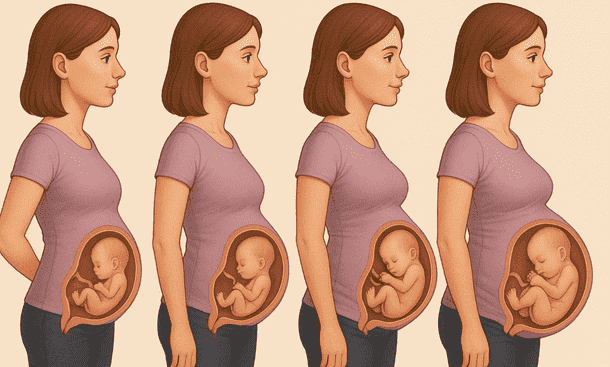
Pregnancy is a journey filled with constant change, both for the developing baby and the mother. Each week brings new developments that shape growth, health, and overall experience. Understanding these changes helps expectant parents make informed decisions, monitor progress, and enjoy the milestones along the way. From subtle physical shifts to remarkable fetal growth, knowing what to expect provides reassurance and clarity. Tracking these changes week by week aligns well with a detailed pregnancy trimesters overview for context on each stage.
Understanding Pregnancy Stages: Trimester Overview
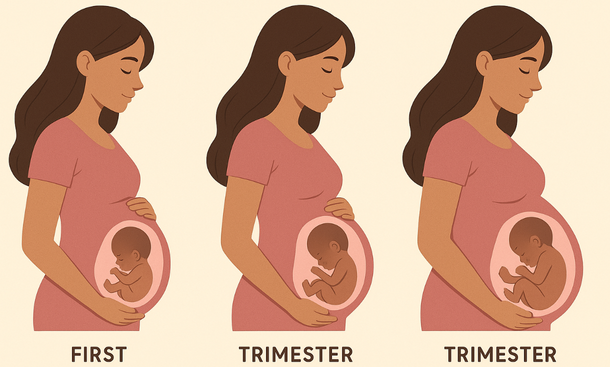
Pregnancy is divided into three trimesters, each lasting roughly three months and characterized by unique developments. The first trimester, covering weeks one through twelve, is a period of rapid change. The body adapts to hormonal shifts, and the embryo begins forming organs and structures essential for life. Many mothers experience fatigue, mild nausea, and heightened senses during this stage.
The second trimester, from week thirteen to twenty-seven, is often more comfortable. Early pregnancy symptoms usually ease, energy returns, and the baby grows noticeably. Movements can be felt, and key milestones like organ maturation and sensory development occur. Monitoring these weeks carefully ensures both mother and baby remain healthy, as detailed in the first trimester guide.
The third trimester, from week twenty-eight to birth, focuses on growth and preparation for delivery. Mothers may experience back discomfort, swelling, and difficulty sleeping as the baby becomes fully developed. Birth planning and careful monitoring of maternal and fetal health are essential. Tracking each trimester and week helps parents anticipate changes and make informed choices.
Understanding the three stages provides a foundation for observing week-by-week changes. Knowing what is typical in each trimester can reduce anxiety, help manage symptoms, and support overall well-being. Parents who are aware of trimester-specific developments can engage more confidently in their pregnancy journey and connect with resources like the second trimester development guide for detailed insights.
First Trimester: Weeks 1–12 Changes
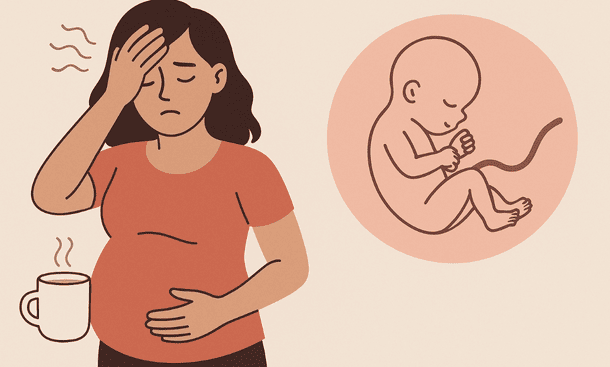
The first trimester is a crucial period, setting the foundation for the entire pregnancy. During these initial weeks, the body undergoes hormonal adjustments to support the embryo’s growth. Common symptoms include fatigue, mild nausea, breast tenderness, and frequent urination. While these changes can be uncomfortable, they are normal responses to early pregnancy.
Fetal development is rapid in this stage. By week four, implantation occurs, and the embryo begins forming essential structures. By week eight, the heart, brain, and spinal cord are developing, and small limb buds appear. Around week twelve, the baby’s major organs are in place, and facial features start to emerge. These milestones highlight why prenatal care, including regular checkups and ultrasounds, is important during early pregnancy. Following a first trimester guide can help track these changes and provide clarity on what to expect.
Nutrition plays a significant role in supporting both mother and baby. Consuming a balanced diet with folic acid, iron, calcium, and protein supports organ development and overall health. Avoiding alcohol, certain medications, and unpasteurized foods helps reduce risks to the embryo. Prenatal vitamins supplement daily nutrition and fill potential gaps.
Light exercise such as walking or gentle stretching is usually safe and can reduce fatigue. Adequate rest, hydration, and stress management further support the mother’s well-being. Emotional support from partners or family can also help navigate the first trimester’s challenges.
Being aware of early warning signs is essential. Severe cramping, heavy bleeding, or intense pain should prompt immediate medical attention. Tracking symptoms weekly and documenting fetal movements helps parents notice patterns and identify issues early. Using a week-by-week pregnancy guide provides detailed insight and reassurance during this delicate stage.
Second Trimester: Weeks 13–27 Development
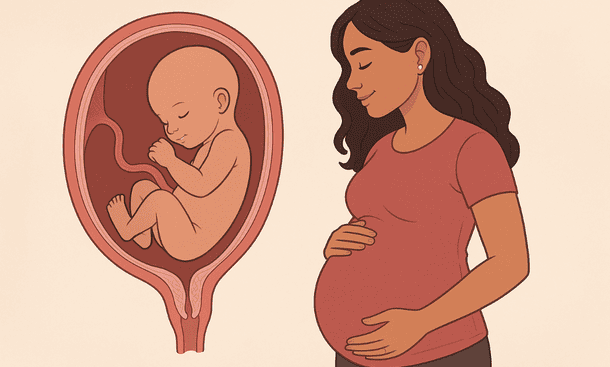
The second trimester is often considered the most comfortable phase of pregnancy. Early symptoms like nausea and fatigue usually improve, allowing mothers to enjoy visible changes and begin feeling the baby’s movements. This period is marked by steady fetal growth and noticeable physical transformations in the mother. Monitoring these weeks helps ensure both maternal and fetal health, with guidance from the second trimester development guide.
Physical changes include the expanding abdomen, gradual weight gain, and subtle shifts in posture to accommodate the growing baby. Skin changes, such as stretch marks or pigmentation, are common. Energy levels typically rise, making it easier to engage in light physical activity like walking, swimming, or prenatal yoga, which support circulation and muscle tone.
Fetal development is significant during this stage. Organs mature, bones strengthen, and the nervous system becomes more complex. Around week sixteen, the baby may start making small movements, and by week twenty, these movements become more regular and noticeable. Ultrasound scans provide a detailed view of the baby’s anatomy and development. Keeping track of these milestones using a week-by-week pregnancy guide helps parents stay informed and celebrate progress.
Common symptoms include mild back pain, round ligament discomfort, and occasional swelling. Maintaining a balanced diet rich in protein, iron, and calcium supports both mother and baby. Avoiding excessive caffeine and processed foods helps maintain overall health.
Regular prenatal checkups remain important. Blood tests, ultrasounds, and sometimes glucose screening ensure that the pregnancy is progressing normally. Discussing any unusual symptoms with healthcare providers allows for early intervention if needed.
Emotional well-being is also important in this phase. Mood fluctuations can occur, but staying connected with loved ones and practicing mindfulness techniques helps maintain balance. Journaling or tracking weekly milestones strengthens the bond with the baby and allows parents to reflect on the pregnancy journey.
Third Trimester: Weeks 28–40 Preparations
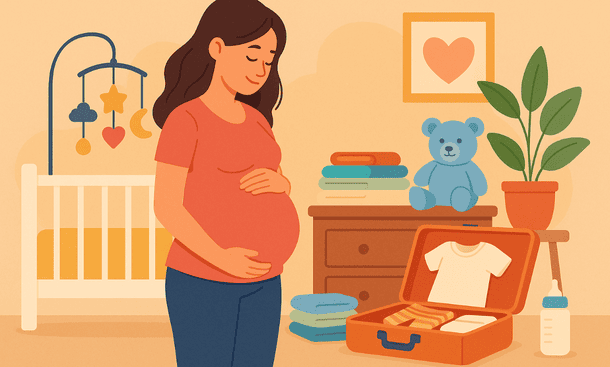
The third trimester is the final stage of pregnancy, characterized by rapid fetal growth and significant physical changes in the mother. From week twenty-eight to birth, the body adapts to support the baby’s final development, preparing for labor. Mothers may experience fatigue, back pain, swelling, and difficulty sleeping. Close monitoring of both maternal and fetal health is essential, as detailed in the third trimester preparations guide.
Physically, the abdomen continues to expand, placing strain on the back and pelvis. Shortness of breath may occur as the uterus presses against the diaphragm. Swelling in the hands and feet is common, and maintaining proper hydration, nutrition, and gentle exercise can alleviate discomfort. Supportive pillows or adjusted sleeping positions often improve rest quality.
Fetal development accelerates in these weeks. Organs reach full functionality, the brain develops rapidly, and the lungs prepare for breathing after birth. Movements become stronger and more coordinated, providing reassurance to parents. By the final weeks, the baby usually assumes a head-down position in preparation for delivery. A week-by-week pregnancy guide helps track these milestones and understand what is typical during the third trimester.
Preparing for labor involves creating a birth plan, understanding signs of labor, and organizing support for delivery and postpartum care. Prenatal classes can provide practical guidance on breathing techniques, labor positions, and recovery expectations. Packing a hospital bag and setting up the home environment in advance reduces stress and allows parents to focus on the upcoming birth.
Emotional well-being is critical. The final weeks can bring excitement and anxiety. Connecting with supportive partners, family, and healthcare providers promotes confidence and reduces stress. Journaling or reflecting on experiences can help process feelings and maintain perspective.
Regular checkups monitor weight gain, blood pressure, and fetal health. Reporting sudden changes or unusual symptoms ensures timely intervention. Staying informed about fetal positioning, symptoms, and labor preparation supports a safe and smoother transition to childbirth.
Common Week-by-Week Concerns and Questions
Pregnancy naturally raises many questions and concerns as both the mother and baby undergo constant changes. Recognizing which symptoms are normal and which may signal potential issues is essential for a safe and confident journey. Tracking weekly changes provides clarity and reassurance. Using a pregnancy week-by-week guide helps parents understand expected developments and address common concerns effectively.
Expectant mothers frequently ask about nausea, fatigue, swelling, and fetal movements. These symptoms vary depending on the trimester but are usually part of normal development. Keeping a record of these changes allows parents to see patterns and distinguish between typical experiences and unusual signs that may require medical attention.
Red flags should not be ignored. Heavy bleeding, severe abdominal pain, sudden swelling, or reduced fetal movement can indicate complications. Prompt medical attention in these cases can prevent serious outcomes. Understanding warning signs for each stage of pregnancy helps parents respond quickly and appropriately.
Monitoring fetal movement is an important part of assessing the baby’s well-being. From the second trimester onward, consistent movements indicate health, and changes may signal a need for evaluation. Tracking kicks and noting daily patterns provides reassurance and supports discussions with healthcare providers.
Emotional health is equally important. Pregnancy can bring mood swings, anxiety, and stress. Building a support network, practicing mindfulness, and maintaining open communication help manage emotional changes. Journaling or tracking milestones also strengthens the connection between parents and baby while reducing stress.
Simple strategies like consistent tracking, balanced nutrition, gentle exercise, and regular rest improve overall pregnancy management. Maintaining awareness of physical and emotional changes allows mothers to address concerns proactively. Integrating these habits with insights from the pregnancy week-by-week guide ensures both maternal and fetal well-being throughout each stage.

As an author at Felyro.com, I create actionable content on pregnancy tracking, offering practical tools, tips, and insights that empower mothers-to-be to stay informed and confident throughout their pregnancy.