
So you’re ready to start trying for a baby—exciting, right? But where do you even begin? Creating a solid game plan for the next three months can feel like a lot, but breaking it down week by week makes it way more manageable. This checklist pulls together everything you need to know about nutrition, supplements, sleep, and exercise into one actionable timeline.
Think of it as your roadmap for b without the overwhelm or confusion. By the end of these 90 days, you’ll be in the best possible position to conceive, and you’ll actually feel confident about it. Let’s walk through this together, one step at a time.
Why Three Months Matters
Three months isn’t random. It’s based on biology. It takes about 90 days for an egg to mature before ovulation. The lifestyle changes you make now affect the egg that’ll be released three months from now. For men, sperm takes about 74 days to fully develop, so your partner’s three-month prep matters just as much.
This timeline also gives your body enough time to build up nutrient stores, establish healthy habits, and stabilize hormones. You’re not just checking boxes. You’re creating sustainable changes that’ll support you through conception, pregnancy, and beyond.
Starting three months out also reduces pressure. You’re not rushing to change everything overnight. You’ve got time to adjust, learn what works for your body, and actually enjoy the process instead of stressing about it.
Month One: Foundation and Assessment
The first month is about gathering information and starting the basics. You’re laying groundwork, not expecting perfection.
Week 1: Schedule Your Preconception Checkup
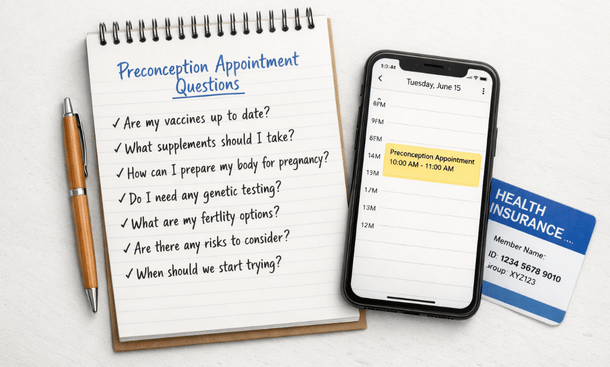
Call your doctor or midwife and schedule a preconception visit. This isn’t the same as a regular annual exam. You’re specifically discussing your plans to conceive and getting your body assessed for pregnancy readiness.
During this appointment, your provider should check your medical history, current medications and supplements, immunization status, and any chronic health conditions. They’ll discuss family health history for both you and your partner. They should order baseline bloodwork including thyroid function, vitamin D levels, iron and ferritin, blood sugar, and possibly genetic carrier screening.
If you have any existing health conditions like diabetes, high blood pressure, or autoimmune disorders, you need a plan for managing them during pregnancy. Some medications aren’t safe during pregnancy and need to be switched now, not after you conceive.
Bring a list of questions. Ask about your menstrual cycle regularity, any concerns about fertility, how long it typically takes to conceive at your age, and what red flags to watch for. Don’t leave wondering about things you could have asked.
Week 1-2: Start Taking Prenatal Vitamins
Don’t wait until you’re pregnant to start prenatal vitamins. Begin now so your body has time to build up nutrient stores, especially folate which is critical in those first few weeks after conception.
Choose a high-quality prenatal with methylfolate instead of folic acid, adequate iron and iodine, vitamin D, and a good B-complex. Refer back to our detailed guide on vitamins to take before getting pregnant for specific recommendations on what to look for and which brands are worth the money.
Take your prenatal with food at the same time every day to build the habit. Set a phone reminder if you need to. If it makes you nauseous, try taking it at night before bed or with a larger meal.
If you’re not already taking omega-3 supplements, add those too. Most prenatals don’t contain enough DHA, so a separate fish oil or algae-based supplement is usually necessary.
Week 2: Clean Up Your Diet
You don’t need to overhaul everything overnight, but start moving toward a whole-foods-based diet. Focus on adding good stuff before worrying about eliminating everything “bad.”
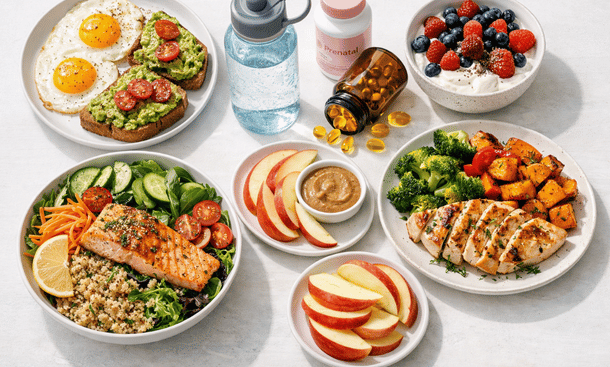
Stock your kitchen with the foundations of a healthy pre pregnancy diet: leafy greens, colorful vegetables, quality proteins like wild-caught fish and eggs, healthy fats from avocados and nuts, complex carbohydrates like sweet potatoes and quinoa, and plenty of fresh fruit.
Start phasing out processed foods, excessive sugar, and trans fats. You don’t need to be perfect, but the majority of your meals should come from whole foods you prepare yourself.
Cut back on caffeine to one cup of coffee per day max. If you’re a heavy caffeine user, taper gradually to avoid withdrawal headaches. Switch to green tea or half-caf if needed.
If you drink alcohol regularly, now’s the time to cut back significantly or stop altogether. There’s no known safe amount of alcohol when trying to conceive.
Week 3: Optimize Your Sleep Environment
Sleep quality affects fertility more than most people realize. Start with environmental changes since those are the easiest to control.
Invest in blackout curtains or a good sleep mask. Even small amounts of light suppress melatonin production. Make sure your bedroom is cool, ideally between 65 and 68 degrees. Consider a white noise machine or fan if noise is an issue.
Evaluate your mattress and pillows. If they’re old or uncomfortable, upgrade them. You’re going to spend a third of your life in bed, including through pregnancy when comfort becomes even more important.
Remove screens from your bedroom. Your phone, tablet, and TV should live somewhere else. Get an actual alarm clock if you use your phone to wake up.
For more details on building better sleep habits, check out our complete guide on sleep and fertility.
Week 4: Start or Adjust Your Exercise Routine
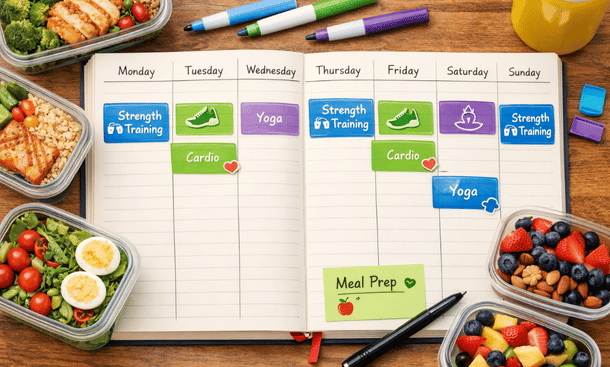
If you’re not currently exercising, start with 20 to 30 minutes of moderate activity three to four times per week. Walking, swimming, or beginner yoga are perfect starting points.
If you’re already active, evaluate whether your current routine supports fertility or potentially hinders it. Are your periods regular? Do you feel energized or constantly exhausted? Are you eating enough to fuel your activity level?
The goal is moderate exercise most days of the week—enough to support health without stressing your body. Review our guide on the best exercises before pregnancy for specific workout recommendations and how to structure your weekly routine.
Schedule workouts in your calendar like any other appointment. They’re more likely to happen if you’ve committed to a specific time.
Month One Checklist Summary
By the end of month one, you should have:
- Scheduled and completed your preconception checkup
- Started taking prenatal vitamins and omega-3s daily
- Cleaned up your diet and reduced caffeine and alcohol
- Optimized your sleep environment
- Established a consistent exercise routine
- Reviewed any medications or supplements with your doctor
Month Two: Building Consistency and Addressing Specifics
Month two is about solidifying the habits you started and addressing more specific aspects of preconception health.
Week 5: Review Your Bloodwork Results
Your lab results from the preconception checkup should be back. Schedule a follow-up call or appointment to review them with your doctor if you haven’t already.
If your vitamin D is low, you’ll need to supplement at higher doses than what’s in your prenatal. Your doctor will recommend an appropriate amount based on how deficient you are.
Low iron or ferritin requires additional supplementation. Choose ferrous bisglycinate to minimize digestive upset and take it with vitamin C for better absorption.
Thyroid issues need to be addressed and optimized before conceiving. If you’re on thyroid medication, your levels should be in the optimal range, not just “normal.”
Elevated blood sugar or signs of insulin resistance might require dietary changes, medication, or both. Don’t ignore these results. They significantly affect fertility and pregnancy outcomes.
Week 5-6: Establish a Consistent Sleep Schedule
You’ve got your environment dialed in. Now work on consistency. Pick a bedtime and wake time that allows for eight hours of sleep, then stick to it every day, including weekends.
Create a wind-down routine that starts 30 to 60 minutes before bed. This might include dimming lights, taking a warm shower, reading, gentle stretching, or journaling. Do the same activities in the same order every night to train your body that sleep is coming.
Put your phone in another room at least an hour before bed. The blue light and mental stimulation from scrolling sabotage your sleep quality even if you do eventually fall asleep.
If you struggle with racing thoughts, try a brain dump before bed. Write down everything on your mind, everything you need to remember, and anything you’re worried about. Getting it on paper helps you let go of it for the night.
Week 6-7: Add Targeted Supplements Based on Your Needs
Now that you’ve been taking your basic prenatal and omega-3s for over a month, consider adding specific supplements based on your individual situation.
If you’re over 35, add CoQ10 for egg quality support. Most studies use 200 to 600 milligrams daily of the ubiquinol form.
If your prenatal doesn’t include adequate choline, add a separate choline supplement. You need 450 milligrams daily during pregnancy, but most prenatals contain only 10 to 55 milligrams.
If you have PCOS or insulin resistance, inositol supplements, specifically myo-inositol combined with d-chiro-inositol in a 40:1 ratio, may help improve ovulation and egg quality. Typical doses are 2,000 to 4,000 milligrams daily.
If you have regular menstrual cycles but they’re painful or heavy, consider adding magnesium glycinate, which helps with muscle relaxation and hormone balance. Start with 200 to 400 milligrams before bed.
Week 7-8: Fine-Tune Your Nutrition
You’ve cleaned up the basics. Now optimize. Make sure you’re getting enough protein—about 0.8 to 1 gram per pound of body weight daily. Protein is essential for hormone production and egg quality.
Increase your intake of antioxidant-rich foods like berries, dark leafy greens, and colorful vegetables. Antioxidants protect your eggs from oxidative damage.
Make sure you’re eating enough healthy fats. Your body needs fat to make reproductive hormones. Avocados, nuts, seeds, olive oil, and fatty fish should be daily staples.
Consider adding fertility-supporting foods like Brazil nuts for selenium, pumpkin seeds for zinc, bone broth for glycine and collagen, and fermented foods for gut health.
Track your food for a few days using an app like MyFitnessPal, not to restrict calories, but to make sure you’re actually eating enough and getting balanced nutrition. Many women trying to conceive are unintentionally undereating.
Week 8: Start Tracking Your Cycle
If you’re not already tracking your menstrual cycle, start now. You need to understand your patterns before you begin actively trying to conceive.
At minimum, track the first day of your period and any physical symptoms throughout your cycle. Note things like cervical mucus changes, breast tenderness, mood shifts, energy levels, and when you have ovulation symptoms like mittelschmerz, that mid-cycle cramping some women feel.
Consider using ovulation predictor strips to confirm ovulation timing. These detect the surge in luteinizing hormone that happens 24 to 36 hours before you ovulate. Test once daily starting around day 10 or 11 of your cycle if you have regular 28-day cycles. Adjust the start day if your cycles are longer or shorter.
Basal body temperature tracking is another option. Your temperature rises slightly after ovulation and stays elevated until your next period. You need a basal thermometer and have to take your temperature first thing every morning before getting out of bed. It’s more work, but it confirms whether ovulation actually occurred.
Apps like Fertility Friend, Kindara, or Clue help you log all this information and identify patterns. Three months of tracking gives you solid data on your cycle length, ovulation timing, and luteal phase length.
Month Two Checklist Summary
By the end of month two, you should have:
- Reviewed bloodwork and addressed any deficiencies or concerns
- Established a consistent sleep schedule and bedtime routine
- Added targeted supplements based on individual needs
- Fine-tuned your nutrition with focus on protein, healthy fats, and antioxidants
- Started tracking your menstrual cycle and identifying ovulation patterns
- Maintained consistent exercise and prenatal vitamin habits from month one
Month Three: Final Preparations and Partner Involvement
Month three is about finishing touches, getting your partner fully on board, and preparing mentally for the journey ahead.
Week 9: Get Your Partner Involved
Your partner’s health affects fertility just as much as yours does. Sperm quality depends on nutrition, exercise, sleep, and lifestyle factors. Now that you’ve spent two months working on yourself, bring him into the process.
Have him schedule his own checkup. He should get a general physical and discuss plans to conceive with his doctor. If there are any concerns about fertility, a semen analysis provides baseline information about sperm count, motility, and morphology.
Share what you’ve learned about preconception nutrition. Encourage him to start taking a men’s multivitamin or fertility supplement that includes zinc, selenium, vitamin C, vitamin E, and CoQ10. He should also take omega-3s if he’s not eating fatty fish regularly.
Work together on reducing alcohol intake, avoiding tobacco and recreational drugs, and limiting exposure to environmental toxins. Heat exposure from hot tubs, saunas, or keeping laptops on the lap can temporarily reduce sperm quality, so he should avoid those.
Exercise is important for men too. Regular moderate activity improves testosterone levels and sperm quality. Excessive exercise has the opposite effect, so balance is key.
The sleep habits you’ve developed benefit him too. Men who sleep less than six hours or more than nine show reduced sperm count and motility.
Week 9-10: Reduce Toxic Exposures
You’ve addressed the big lifestyle factors. Now minimize environmental exposures that might affect fertility or early pregnancy.
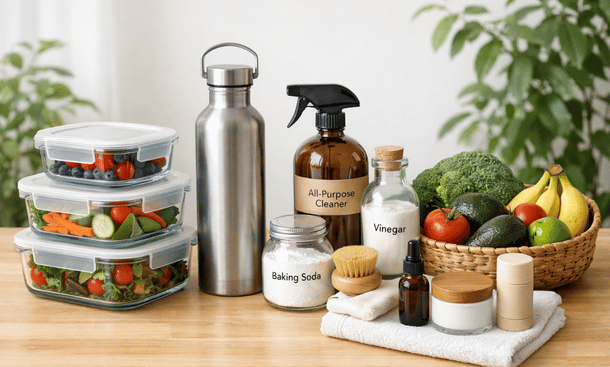
Switch to natural cleaning products or make your own using vinegar, baking soda, and castile soap. Conventional cleaners contain endocrine-disrupting chemicals that can interfere with hormones.
Review your personal care products. Look for options without parabens, phthalates, synthetic fragrances, and triclosan. The EWG Skin Deep database helps you identify safer products. You don’t need to replace everything overnight, but start with products you use daily like shampoo, lotion, and deodorant.
Avoid pesticides and herbicides. Choose organic produce for the Environmental Working Group’s Dirty Dozen list of most heavily sprayed fruits and vegetables. If organic isn’t accessible or affordable for everything, at least wash produce thoroughly.
Minimize plastic use, especially for food storage and water bottles. Never microwave food in plastic containers. Use glass, stainless steel, or ceramic instead. BPA and other plastic chemicals mimic estrogen in your body.
If your job involves exposure to chemicals, radiation, or other potential hazards, discuss this with your doctor. You may need workplace modifications or additional precautions.
Week 10-11: Address Stress and Mental Health
Trying to conceive is stressful, even under the best circumstances. Developing stress management strategies now helps you cope with the emotional ups and downs ahead.
Consider starting therapy or counseling, especially if you have a history of anxiety, depression, or trauma. Mental health significantly affects physical health, including fertility. Many therapists specialize in fertility-related issues.
Build stress-reduction practices into your daily routine. This might be meditation, deep breathing exercises, journaling, time in nature, creative hobbies, or whatever helps you feel centered and calm.
Set boundaries around fertility talk. Decide with your partner how much you’ll share with family and friends about your conception journey. Unsolicited advice and constant questions from others add unnecessary stress.
Join a supportive online community or local group of women also trying to conceive. Having people who understand what you’re going through makes a huge difference. Just be careful not to fall into comparison traps or spend all day doom-scrolling fertility forums.
Practice self-compassion. You’re doing everything you can to prepare your body. If conception doesn’t happen immediately, that doesn’t mean you failed. Average time to conception for healthy couples under 35 is six to twelve months.
Week 11-12: Financial and Practical Planning
Have honest conversations with your partner about the financial aspects of pregnancy, childbirth, and parenting. Review your insurance coverage for prenatal care, delivery, and pediatric care. Understand your maternity and paternity leave options and how you’ll manage the loss of income.
Start building or bolstering your emergency fund. Having three to six months of expenses saved reduces financial stress during pregnancy and after the baby arrives.
Make any home improvements or major purchases you’ve been putting off. Once you’re pregnant or have a newborn, you won’t want to deal with major projects.
Update your wills and beneficiaries if you haven’t done so recently. This isn’t fun to think about, but it’s important.
Research childcare options in your area and get on waitlists if necessary. In some cities, quality childcare has year-long waiting lists.
Week 12: Final Assessment and Starting to Try
You’ve made it through three months of preparation. Take stock of what you’ve accomplished.
Review your cycle tracking from the past three months. You should have a clear picture of your cycle length, when you typically ovulate, and how long your luteal phase is. This information is crucial for timing intercourse effectively.
Make sure you’re still taking all supplements consistently. Don’t stop once you start trying—continue through conception and pregnancy.
Confirm that your exercise routine feels sustainable and isn’t too intense or too little. Your periods should be regular and your energy levels good.
Your sleep schedule should be established enough that you’re naturally tired at bedtime and waking refreshed most mornings.
Nutrition-wise, whole foods should be your default, with processed stuff being the occasional exception rather than the rule.
Now you can actually start trying to conceive with confidence that you’ve done everything possible to optimize your health and your partner’s health for conception.

Month Three Checklist Summary
By the end of month three, you should have:
- Gotten your partner fully engaged in preconception preparation
- Reduced toxic exposures in your home and personal care products
- Developed stress management practices and addressed mental health
- Completed financial and practical planning for pregnancy and parenthood
- Reviewed three months of cycle tracking data
- Maintained all healthy habits from months one and two
- Felt ready to begin actively trying to conceive
What Happens Next
Once you start trying, maintain all the habits you’ve built over the past three months. Continue taking your prenatal vitamins and supplements, eating well, exercising moderately, and getting quality sleep. These habits support conception and early pregnancy.
Have sex every two to three days throughout your cycle, or focus on the five days leading up to ovulation and ovulation day itself if you prefer targeted timing. More frequent sex around ovulation increases your chances, but having sex throughout your cycle takes the pressure off.
Don’t test for pregnancy too early. Wait until at least the day your period is due. Testing earlier just increases anxiety and the chance of seeing chemical pregnancies, which are extremely common and usually not medically significant.
If you’re under 35 and haven’t conceived after 12 months of trying, or if you’re over 35 and haven’t conceived after six months, consult a fertility specialist. Don’t wait longer than this to seek help. Earlier intervention leads to better outcomes.
Remember that even healthy couples at peak fertility only have about a 20 to 25 percent chance of conceiving each cycle. It typically takes several months. Try to be patient with the process and with yourself.
The Bigger Picture
These three months of preparation aren’t just about getting pregnant. You’re building habits that’ll serve you through pregnancy, postpartum recovery, and parenting. The healthy eating patterns, consistent exercise, good sleep hygiene, and stress management skills you develop now will make everything that comes after easier.
You’re also demonstrating to yourself that you can make significant lifestyle changes when it matters. That confidence and self-efficacy will serve you well as you navigate the challenges of pregnancy and new parenthood.
You’ve put in the work. You’ve prepared your body. Now trust the process and trust yourself. You’ve got this.
