
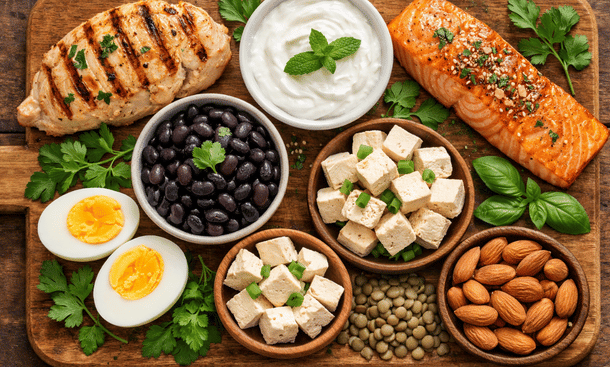
When my doctor told me I needed to eat more protein during pregnancy, I thought I was doing fine. I had eggs for breakfast sometimes and chicken for dinner a few times a week. Turns out I was barely hitting half of what my body actually needed.
Protein is literally the building block for every single cell in your baby’s body. We’re talking muscles, organs, skin, hair, enzymes, hormones and antibodies. Your baby can’t grow properly without adequate protein, and your body needs extra to support your expanding blood volume, growing uterus and breast tissue.
But here’s what nobody tells you upfront. Your protein needs change dramatically as your pregnancy progresses, and most women have no idea how much they actually need or where to get it from quality sources.
Let me break down everything you need to know about protein during pregnancy in a way that’s actually practical for real life.
How Much Protein Do You Really Need
Before pregnancy, most women need about 46 grams of protein daily. During pregnancy, that number jumps to 70 to 100 grams depending on your trimester and body weight.
First trimester, you can generally stick to your pre-pregnancy protein intake since your baby is still tiny. But once you hit the second trimester, your needs increase significantly as your baby grows rapidly.
A good rule of thumb is to aim for about 1 gram of protein per kilogram of body weight, plus an extra 25 grams. So if you weigh 150 pounds, that’s about 68 kilograms, meaning you need roughly 93 grams of protein daily.
That might sound like a lot if you’re not used to tracking your food intake. It is a lot. Most women underestimate how much protein they’re actually eating.
I started paying attention to protein content in everything I ate and realized I was consistently coming up short. Once I made a conscious effort to include protein at every meal and snack, I noticed a huge difference in my energy levels.
Why Protein Matters More Than You Think
Protein does way more than just help your baby grow. It supports your own body through massive changes.
Your blood volume increases by almost 50 percent during pregnancy. That requires protein to make hemoglobin and other blood components. Your uterus expands from the size of a pear to the size of a watermelon. That’s all muscle tissue that needs protein to grow.
Your breasts are preparing to produce milk, which requires significant tissue development. Your body is producing more hormones and enzymes to support pregnancy. All of this requires amino acids from dietary protein.
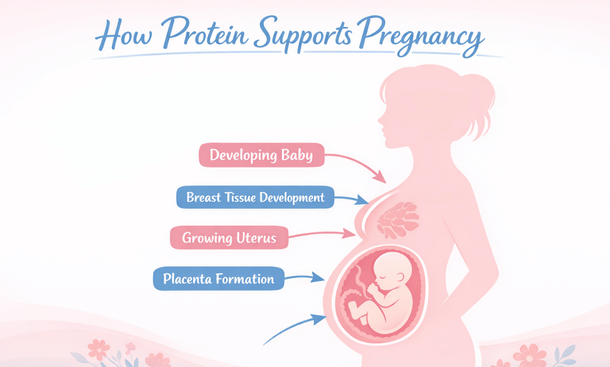
Low protein intake during pregnancy has been linked to low birth weight, preterm delivery and increased risk of complications. Your baby will literally pull nutrients from your own tissues if you’re not getting enough, leaving you depleted.
I felt so much better once I prioritized protein. My hair and nails were stronger, I had more sustained energy throughout the day, and I recovered better from workouts.
Best Animal-Based Protein Sources
Animal proteins are considered complete proteins because they contain all nine essential amino acids your body needs. They’re also more easily absorbed than most plant proteins.
Chicken and Turkey
Skinless chicken breast provides about 26 grams of protein per three-ounce serving. Turkey is similar. Both are lean, versatile and easy to prepare in multiple ways.
I meal-prepped grilled chicken every Sunday and used it throughout the week in salads, wraps, pasta dishes and grain bowls.
Just make sure poultry is cooked to an internal temperature of 165 degrees to kill any harmful bacteria.
Beef and Pork
Lean cuts of beef like sirloin provide about 25 grams of protein per three-ounce serving, plus iron and B vitamins. Pork tenderloin is another great lean option with similar protein content.
Choose lean cuts and trim visible fat. Cook beef and pork to at least 145 degrees with a three-minute rest time. Ground meat should reach 160 degrees.
I wasn’t a huge red meat eater before pregnancy, but I started having it once or twice a week for the iron benefits along with the protein.
Fish and Seafood
Salmon provides about 22 grams of protein per three-ounce serving, plus omega-3 fatty acids that are crucial for your baby’s brain development. Shrimp, cod, tilapia and other low-mercury fish are excellent choices too.
Stick to fish low in mercury and limit intake to two to three servings per week. Always cook seafood to at least 145 degrees.
Eggs
One large egg has about 6 grams of protein plus choline, which is essential for brain development. Eggs are incredibly versatile and budget-friendly.
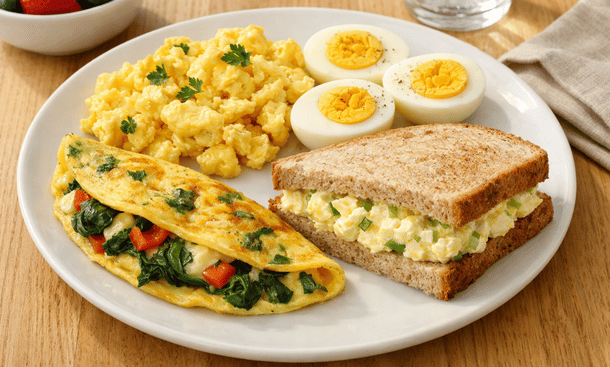
Eat the whole egg, not just whites. The yolk contains most of the nutrients including choline, vitamin D and healthy fats.
Make sure eggs are fully cooked with firm whites and yolks to avoid salmonella risk. I ate eggs almost every day during pregnancy in some form.
Greek Yogurt and Cottage Cheese
Greek yogurt packs about 15 to 20 grams of protein per cup, plus calcium and probiotics for gut health. Cottage cheese provides about 14 grams per half cup.
Both are easy grab-and-go options that require zero prep. I kept individual containers of Greek yogurt in my fridge for quick snacks.
Choose plain varieties and add your own fruit to avoid excessive added sugars in flavored versions.
Milk and Cheese
One cup of milk provides about 8 grams of protein plus calcium. Hard cheeses like cheddar offer about 7 grams per ounce.
Make sure all dairy products are pasteurized. Avoid soft cheeses unless the label specifically states they’re made with pasteurized milk.
Best Plant-Based Protein Sources
Plant proteins can absolutely meet your needs during pregnancy, though you need to eat a variety of sources to get all essential amino acids. Many plant proteins are also packed with fiber, vitamins and minerals.
Beans and Lentils
Black beans, kidney beans, chickpeas and lentils provide 15 to 18 grams of protein per cooked cup, plus fiber, iron and folate.
They’re incredibly versatile and budget-friendly. Add them to soups, salads, tacos, pasta or eat them as a side dish.
I made a big pot of lentil soup every couple weeks during my second pregnancy. It was filling, nutritious and I could freeze portions for easy meals.
Tofu and Tempeh
Tofu provides about 10 grams of protein per half cup. Tempeh offers even more at about 15 grams per half cup. Both are complete proteins containing all essential amino acids.
Press tofu to remove excess water, then bake, sauté or add to stir-fries. Tempeh has a firmer texture and nuttier flavor that works well in sandwiches or crumbled into dishes.
Nuts and Nut Butters
Almonds provide about 6 grams of protein per ounce. Peanut butter offers about 8 grams per two-tablespoon serving. Other nuts like cashews, walnuts and pistachios have similar amounts.
Nut butters are perfect for quick snacks with apple slices, celery or whole grain toast. Just watch portion sizes because nuts are calorie-dense.
I kept individual almond butter packets in my purse for emergency snacks when I was out and getting hungry.
Quinoa
This whole grain is actually a complete protein, providing about 8 grams per cooked cup. It’s also rich in fiber, iron and magnesium.
Use quinoa as a base for grain bowls, mix it into salads, or use it in place of rice as a side dish.
Edamame
These young soybeans provide about 17 grams of protein per cooked cup. They’re also rich in folate and fiber.
Keep frozen edamame on hand for a quick snack or side dish. Just steam and sprinkle with sea salt.
Seeds
Chia seeds, hemp seeds and pumpkin seeds all provide protein plus healthy fats and minerals. Two tablespoons of chia seeds offer about 4 grams of protein.
Add seeds to smoothies, oatmeal, yogurt or salads for an easy protein boost.
Meeting Protein Needs as a Vegetarian
Vegetarian diets can absolutely support a healthy pregnancy with careful planning. The key is eating a wide variety of plant proteins throughout the day to get all essential amino acids.
Combine different protein sources like beans with rice, hummus with whole grain pita, or peanut butter with whole wheat bread. These combinations create complete proteins.
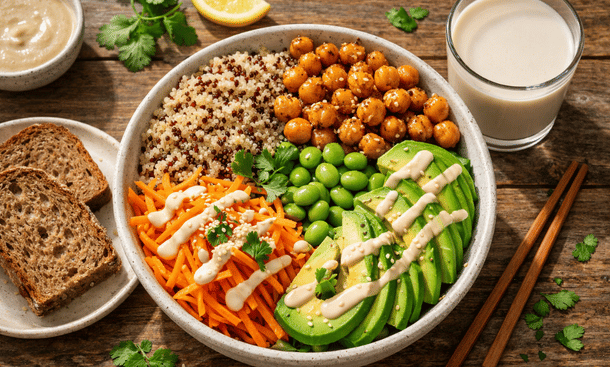
Include eggs and dairy if you eat them. Greek yogurt, cottage cheese and eggs are protein powerhouses that make hitting your targets much easier.
Pay extra attention to getting enough iron, vitamin B12, calcium and omega-3s, which can be harder to obtain from plant sources alone. Talk to your doctor about appropriate supplementation.
I have several friends who had healthy pregnancies as vegetarians. They just had to be more intentional about protein at every meal.
Meeting Protein Needs as a Vegan
Vegan pregnancy absolutely can be healthy, but it requires even more careful planning than vegetarian diets. You need to be very intentional about protein quality and quantity.
Focus on complete plant proteins like quinoa, soy products, and combinations of complementary proteins. Track your intake carefully, especially in the second and third trimesters when needs are highest.
Consider a vegan protein powder to help meet daily targets. Look for pea protein, hemp protein or brown rice protein options.
Work closely with your healthcare provider and possibly a registered dietitian who specializes in plant-based pregnancy nutrition. You’ll likely need to supplement with vitamin B12, iron, DHA, calcium and possibly others.
Protein at Every Meal and Snack
The best way to meet your protein needs is to include it at every eating occasion. Your body can only absorb and use about 25 to 30 grams of protein at once, so spreading intake throughout the day is more effective than eating a huge amount at dinner.
Breakfast Ideas:
- Scrambled eggs with cheese and whole wheat toast
- Greek yogurt parfait with granola and berries
- Peanut butter oatmeal with chia seeds
- Veggie omelet with cottage cheese on the side
Lunch Ideas:
- Grilled chicken salad with chickpeas
- Tuna salad sandwich on whole grain bread
- Lentil soup with a hard-boiled egg
- Turkey and cheese wrap with hummus
Dinner Ideas:
- Baked salmon with quinoa and roasted vegetables
- Beef stir-fry with tofu and brown rice
- Chicken breast with sweet potato and broccoli
- Black bean and cheese quesadilla with Greek yogurt
Snack Ideas:
- Apple slices with almond butter
- Hard-boiled eggs
- Trail mix with nuts and seeds
- Cheese and whole grain crackers
- Hummus with vegetables
- Greek yogurt with berries
I got in the habit of asking myself at every meal and snack whether I had a protein source. If the answer was no, I added one.
Protein Powders During Pregnancy
Protein powder can be a convenient way to boost your intake, especially if you’re struggling with appetite or food aversions. But you need to choose carefully during pregnancy.
Look for protein powders that are third-party tested for purity and don’t contain added herbs or high levels of vitamins that could exceed safe limits during pregnancy.
Whey protein, casein protein, pea protein and brown rice protein are generally considered safe options. Avoid powders with added caffeine, weight loss ingredients or proprietary herbal blends.
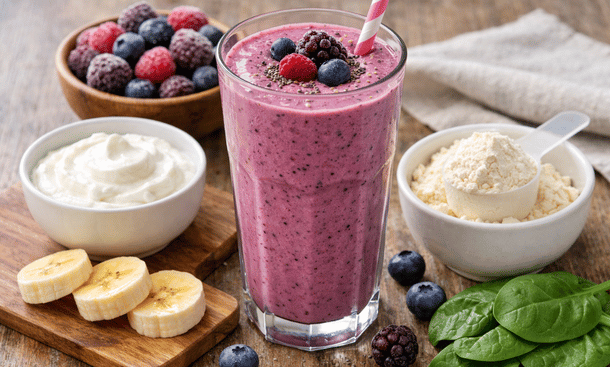
Use protein powder to make smoothies with fruit, spinach, Greek yogurt and milk for a nutrient-packed meal or snack.
Always check with your doctor before adding any supplements including protein powder. Some doctors have specific brands they recommend for pregnant patients.
I used a plain whey protein powder in smoothies during my second trimester when morning sickness made eating solid food difficult some days.
Signs You’re Not Getting Enough Protein
Constant fatigue that doesn’t improve with rest can indicate inadequate protein intake. Protein provides sustained energy throughout the day.
Excessive swelling beyond normal pregnancy swelling might signal low protein levels. Protein helps maintain fluid balance in your body.
Slow wound healing, frequent infections, or hair loss can also point to protein deficiency.
If you’re concerned about your protein intake, talk to your doctor. A simple blood test can check your albumin levels and overall nutritional status.
Balancing Protein with Other Nutrients
Protein is crucial, but it’s not the only thing that matters. You still need adequate carbohydrates for energy, healthy fats for hormone production and brain development, plus all your vitamins and minerals.
Don’t go overboard with protein at the expense of other nutrients. Extremely high protein intake can actually put stress on your kidneys and isn’t necessary or beneficial.
Aim for balanced meals that include protein, complex carbohydrates, healthy fats and plenty of colorful vegetables or fruits.
The goal is a well-rounded diet that supports every aspect of your pregnancy, not just focusing on one macronutrient.
Protein and Gestational Diabetes
If you develop gestational diabetes, protein becomes even more important. Pairing protein with carbohydrates helps slow down sugar absorption and keeps your blood glucose more stable.
Never eat carbohydrates alone. Always pair them with protein and ideally some healthy fat too. For example, have peanut butter with your apple instead of eating the apple alone.
This was crucial for me during my second pregnancy when I had gestational diabetes. Focusing on protein at every meal made managing my blood sugar so much easier.
Meal Prep Strategies for Busy Moms-to-Be
Getting enough protein is easier when you plan ahead. I started batch cooking proteins on weekends so I always had options ready to go.
Grill several chicken breasts, bake a large piece of salmon, hard-boil a dozen eggs, cook a big pot of beans or lentils. Store everything in containers for easy grab-and-go meals throughout the week.
Keep protein-rich snacks readily available. Pre-portioned nuts, string cheese, Greek yogurt cups, hard-boiled eggs and hummus with cut vegetables make it easy to hit your targets.
When you’re tired and hungry, you’ll reach for whatever is easiest. Make sure the easy option is also the healthy, protein-rich option.
The Bottom Line
Protein is absolutely essential for your baby’s growth and your own health during pregnancy. Your needs increase significantly, especially in the second and third trimesters, and most women underestimate how much they actually need.
Aim for 70 to 100 grams daily from a variety of sources including lean meats, fish, eggs, dairy, beans, lentils, nuts and seeds. Include protein at every meal and snack to maximize absorption and maintain steady energy throughout the day.
Whether you eat animal products or follow a plant-based diet, meeting your protein needs is completely achievable with awareness and planning. Pay attention to how you feel, track your intake occasionally to make sure you’re hitting your targets, and don’t hesitate to talk to your doctor if you have concerns.
Your body is doing incredible work right now, and giving it the protein it needs sets both you and your baby up for the healthiest possible outcome.
To understand how protein fits into your overall pregnancy nutrition strategy, including essential vitamins, foods to eat and avoid, and meal planning, visit our complete pregnancy nutrition guide. Now that you understand protein requirements, you might be wondering how to handle those intense food cravings that seem to come out of nowhere during pregnancy. Our guide on pregnancy food cravings…

Carlene R. Priddy offers strategic advice and practical guidance for governorsbefore, during, and after their mandatesto strengthen governance and public leadership.