

Nobody wants to spend nine months being paranoid about every little twinge and cramp.
But when you’re dealing with a high-risk pregnancy, there’s a real difference between normal pregnancy weirdness and symptoms that need immediate medical attention. I learned this the hard way during my own pregnancy when I brushed off what turned out to be early signs of preeclampsia because I didn’t want to be “that woman” who overreacted to everything.
Spoiler alert – I ended up in the hospital anyway, just later than I should have been.
The thing about high-risk pregnancies is that your margin for error is smaller. What might be no big deal for someone with a textbook-normal pregnancy could be a red flag for you. That doesn’t mean you should panic at every symptom, but it does mean you need to know what’s worth calling your doctor about and what requires an immediate trip to the emergency room.
I’ve spent years talking to women who’ve navigated complicated pregnancies, and one thing comes up over and over. The ones who had the best outcomes were the ones who trusted their instincts and spoke up when something felt wrong. So let’s talk about what your body might be trying to tell you.
Bleeding and Discharge You Can’t Ignore
Some light spotting can be normal, especially in early pregnancy. But heavy bleeding is never something to brush off.
If you’re soaking through a pad in an hour or less, that’s a problem. Bright red blood that looks like a heavy period needs immediate attention. This could indicate placental abruption, where the placenta separates from the uterine wall before delivery. It’s a medical emergency that can threaten both you and your baby.
Placenta previa can also cause sudden bleeding. This happens when the placenta covers part or all of the cervix. It’s usually caught on ultrasound before it causes problems, but not always.
Bleeding accompanied by severe cramping could signal miscarriage or ectopic pregnancy, especially in the first trimester. Don’t wait to see if it gets better. Call your doctor immediately or head to the ER.
Unusual discharge is another red flag. A sudden gush of fluid could mean your water broke, which is dangerous if you’re not close to your due date. Greenish or foul-smelling discharge might indicate infection. Thick, mucus-like discharge with blood could be your mucus plug coming out, which is normal near the end of pregnancy but concerning if it happens too early.
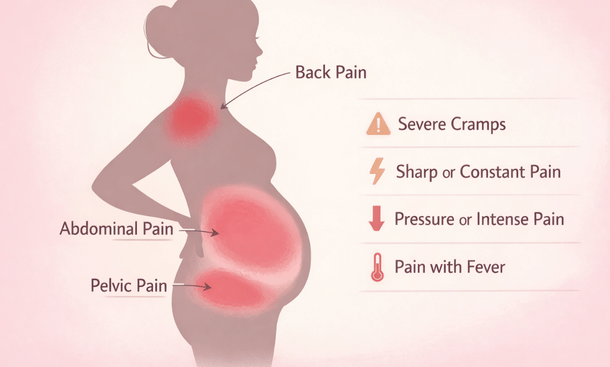
When Abdominal Pain Crosses the Line
Pregnancy comes with all sorts of weird aches and pains. Your body is literally stretching and shifting to accommodate a growing human. Round ligament pain is totally normal. It feels like a sharp, stabbing sensation in your lower abdomen, usually when you move suddenly.
But severe abdominal pain is different.
If you have constant, intense pain that doesn’t go away when you change positions or rest, that’s a problem. Pain that radiates to your shoulder or chest could indicate a serious complication like a ruptured ectopic pregnancy or internal bleeding.
Severe pain on one side of your abdomen might be ovarian torsion or an ectopic pregnancy. Either way, you need immediate medical care.
Pain accompanied by fever, chills, or vomiting could signal appendicitis, kidney infection, or another serious issue. Pregnant women can still get all the same medical problems as anyone else, and some conditions are actually more dangerous during pregnancy.
Rhythmic cramping or contractions before 37 weeks might be preterm labor. If you’re having more than four contractions in an hour and you’re not full term yet, call your doctor right away. They might be able to stop labor if caught early enough.
I remember having what I thought was just bad gas pain around 32 weeks. It kept coming and going in waves. Turned out those were contractions. I ended up on bed rest for the next month to prevent premature delivery. If I’d waited longer to call, things could have gone very differently.
Headaches and Vision Problems That Demand Attention
Headaches are super common during pregnancy thanks to hormonal changes, stress, and fatigue. Most of them are annoying but harmless.
But severe headaches that don’t respond to rest or acetaminophen are a different story. Especially if they come on suddenly and feel unlike any headache you’ve had before.
This is one of the hallmark symptoms of preeclampsia, a potentially life-threatening condition that affects about 5-8% of pregnancies. It’s even more common in high-risk pregnancies.
Vision changes are the other big warning sign. If you’re seeing spots, flashing lights, or experiencing blurred vision, that’s not normal pregnancy stuff. It could indicate dangerously high blood pressure affecting your eyes and brain.
Some women describe it as seeing auras or having tunnel vision. Others say everything looks like they’re looking through water. However you want to describe it, if your vision changes suddenly, you need to be evaluated immediately.
Preeclampsia can progress to eclampsia, which causes seizures and can be fatal if not treated. This isn’t something to mess around with. I’ve seen too many women end up in the ICU because they thought their headache would pass.
Other symptoms that often come with preeclampsia include severe swelling (especially in your face and hands), upper abdominal pain, nausea or vomiting in the second or third trimester, and sudden weight gain from fluid retention.
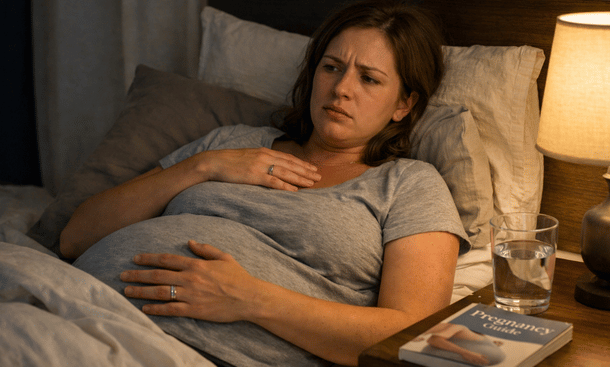
Breathing Problems and Chest Pain
Shortness of breath is pretty normal in late pregnancy when your growing uterus is squashing your lungs. Feeling a bit winded after climbing stairs is expected.
But sudden, severe difficulty breathing is not normal at any stage of pregnancy.
If you can’t catch your breath even when sitting still, or if breathing becomes painful, you could be dealing with a pulmonary embolism. This is a blood clot in your lungs, and pregnancy makes you more susceptible to developing dangerous clots.
Chest pain should always be taken seriously. Sharp, stabbing chest pain could indicate a blood clot or heart problem. Crushing chest pain that radiates to your arm or jaw needs immediate emergency care, just like it would for anyone else.
Rapid heart rate that doesn’t slow down when you rest might signal a heart condition or severe anemia. Your heart already works harder during pregnancy, pumping about 50% more blood than usual. But your resting heart rate shouldn’t be racing constantly.
Coughing up blood is always an emergency. Same with severe, sudden swelling in one leg that’s painful and warm to the touch. That could be deep vein thrombosis, a blood clot that can break off and travel to your lungs.
I know a woman who ignored leg pain and swelling for two days because she figured it was just normal pregnancy stuff. When she finally went in, she had a massive clot and spent a week in the hospital on blood thinners. She was lucky it didn’t travel to her lungs.
Decreased Fetal Movement
Once you start feeling your baby move regularly, usually around 18-25 weeks, you’ll get used to their patterns. Some babies are super active. Others are more chill. What matters is that your baby’s movement stays consistent for them.
A sudden decrease in fetal movement needs to be checked out immediately.
Some doctors recommend doing kick counts starting around 28 weeks. You should feel at least 10 movements within two hours when you’re paying attention. If you’re not feeling your normal amount of movement, try drinking something cold or eating something sweet and lying on your left side. Sometimes that wakes the baby up.
But if you still don’t feel adequate movement after an hour of paying attention, call your doctor or go to labor and delivery. They’ll put you on a monitor to check the baby’s heart rate and movement.
I cannot stress this enough – trust your instincts about your baby’s movement. You know what’s normal for your baby better than anyone else. If something feels off, it probably is.
Reduced fetal movement can indicate that your baby is in distress. Maybe the umbilical cord is compressed. Maybe the placenta isn’t working as well as it should. Maybe your baby isn’t getting enough oxygen or nutrients. Whatever the reason, it needs to be evaluated right away.
Don’t let anyone make you feel silly for going in to get checked. I’d rather you go to the hospital ten times for false alarms than ignore a real problem once.
Severe Swelling That Comes On Fast
Some swelling in your feet and ankles is totally normal, especially by the end of the day or in your third trimester. Heat and standing for long periods make it worse.
But sudden, severe swelling is different. Especially if it’s in your face and hands, not just your feet.
If you wake up one morning and your face is puffy and your rings won’t come off when they fit fine yesterday, that’s concerning. This kind of rapid swelling is another sign of preeclampsia.
Swelling in just one leg that’s painful and doesn’t go away when you elevate your leg could be a blood clot. The leg might feel warm and look red. This is a medical emergency.
Swelling accompanied by severe headache, vision changes, or upper abdominal pain definitely points to preeclampsia. Get evaluated immediately.
I gained eight pounds in one week during my pregnancy. Eight pounds of pure fluid retention. My face looked like a balloon. That’s when they finally diagnosed my preeclampsia and put me on immediate bed rest. If I’d waited until my next scheduled appointment, I might have ended up with seizures.
Signs of Preterm Labor
If you’re less than 37 weeks pregnant and experiencing regular contractions, that’s preterm labor until proven otherwise.
Real contractions get progressively stronger, longer, and closer together. They don’t stop when you change positions or drink water. Your belly gets hard during a contraction and then relaxes between them.
More than four contractions in an hour before you’re full term warrants a call to your doctor. They might want you to come in to get checked.
Other signs of preterm labor include pelvic pressure that feels like the baby is pushing down, lower back pain that comes and goes, menstrual-like cramping, and increased vaginal discharge or a change in discharge type.
Some women describe feeling like they need to have a bowel movement but can’t. That pressure sensation can actually be the baby moving lower in the pelvis.
Your water breaking before 37 weeks is definitely preterm labor. Even if you’re not having contractions yet, you need to get to the hospital. Once your water breaks, there’s a risk of infection and the baby will need to be delivered within a certain timeframe.
The earlier in pregnancy preterm labor happens, the more serious it is. Babies born before 34 weeks often need significant NICU time. But with modern medicine, even very premature babies have good survival rates if they get proper care.
Sometimes doctors can stop preterm labor with medications if caught early enough. Other times, delivery is the safest option. Either way, you need medical evaluation to figure out what’s happening.

When Nausea and Vomiting Become Dangerous
Morning sickness sucks but it’s usually not dangerous. Even pretty significant nausea and vomiting in the first trimester is considered normal, though miserable.
But hyperemesis gravidarum is a whole different beast. This is severe, persistent vomiting that can lead to dehydration, weight loss, and electrolyte imbalances.
If you can’t keep anything down for 24 hours, you need medical help. If you’re losing weight instead of gaining it, that’s a problem. Signs of dehydration include dark urine, dizziness, rapid heartbeat, and dry mouth.
Sudden onset of severe nausea and vomiting in the second or third trimester could indicate preeclampsia, gallbladder problems, or other complications. It’s not normal morning sickness at that point.
Vomiting blood or material that looks like coffee grounds is always an emergency. Same with severe abdominal pain accompanying the vomiting.
I know women who ended up hospitalized with IVs because they couldn’t keep down water for days. There’s no shame in needing medical intervention for severe pregnancy symptoms. You’re not being dramatic. You’re keeping yourself and your baby safe.
Fever and Infection Symptoms
Any fever over 100.4°F during pregnancy needs to be reported to your doctor. Fever can indicate infection, and some infections are particularly dangerous during pregnancy.
Urinary tract infections are super common in pregnancy and can quickly progress to kidney infections if not treated. Symptoms include burning during urination, urgent need to pee frequently, lower abdominal pain, and sometimes fever and back pain.
If you suspect a UTI, get it checked out. Left untreated, kidney infections can trigger preterm labor and make you seriously ill.
Flu-like symptoms with fever, body aches, and extreme fatigue could be actual influenza or another viral infection. Pregnant women are at higher risk for flu complications, so don’t just ride it out at home.
Chills, especially with fever and abdominal pain, could indicate a serious infection. Group B strep, listeria, and other infections can harm your baby and make you very sick.
Any symptoms of COVID-19 should be reported to your doctor as well. Pregnant women seem to have worse outcomes with COVID, especially in the third trimester.
Trusting Your Gut
Here’s the most important thing I can tell you about recognizing warning signs during a high-risk pregnancy.
You know your body better than anyone else. If something feels wrong, it probably is. Even if you can’t articulate exactly what’s different, trust that instinct.
I’ve talked to so many women who said they just knew something was off before they even had obvious symptoms. Their baby moved differently. They felt weird in a way they couldn’t explain. Something just wasn’t right.
Every single one of them wished they’d called their doctor sooner instead of talking themselves out of it because they didn’t want to seem paranoid or difficult.
Your medical team would much rather you call about a false alarm than ignore a real problem. That’s literally what they’re there for. You’re not bothering them. You’re not overreacting. You’re advocating for yourself and your baby.
Keep your doctor’s after-hours number handy. Know where your nearest emergency room is and how to get there quickly. Have a plan for childcare or pet care if you have to go to the hospital unexpectedly.
And please, please don’t wait to see if symptoms get better on their own. In high-risk pregnancies, time matters. Early intervention can prevent serious complications and save lives.
When to Call vs When to Go to the ER
Not every concerning symptom requires an emergency room visit, but some absolutely do.
Call your doctor’s office first for things like decreased fetal movement, mild bleeding or spotting, persistent headache, mild swelling that developed gradually, or suspected UTI symptoms. They’ll tell you whether you need to come in right away or if it can wait until morning.
Go directly to the emergency room for heavy bleeding, severe abdominal pain, chest pain or severe difficulty breathing, sudden severe headache with vision changes, signs of preterm labor before 37 weeks, your water breaking, sudden severe swelling especially in the face, or any symptom that just feels like an emergency.
When in doubt, err on the side of caution. The worst that happens is they check you out and send you home. The best that happens is they catch something serious before it becomes critical.
I’ve been sent home from labor and delivery more times than I can count during my pregnancies. Not once did I regret going in to get checked. But I know I would have regretted not going if something had been actually wrong.
Your high-risk status means the stakes are higher. The rules are different for you than they are for someone with an uncomplicated pregnancy. Understanding how to navigate specialized care when complications arise is essential for getting the best outcomes. What might be ‘wait and see’ advice for them is ‘come in now’ advice for you.
Understanding warning signs is just one piece of managing a high-risk pregnancy. Once you’re at the doctor’s office or hospital, knowing what tests and monitoring to expect can help reduce anxiety and help you feel more in control of your care.

Carlene R. Priddy offers strategic advice and practical guidance for governorsbefore, during, and after their mandatesto strengthen governance and public leadership.